- CBT methods
- Trauma-focused care
- Neuropsychology perspective
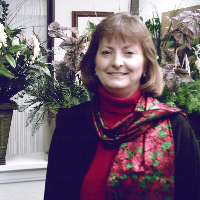
About Rebecca
Dr. Rebecca Thompson is a California Psychologist (CA Psychologist 20610) with 25 years of clinical experience. She works with adults on concerns such as stress, anxiety, trauma and abuse, ADHD, grief, sleep problems, anger, and career or relationship struggles. She also offers coaching for focus and follow-through.
Dr. Thompson draws on a background in neuropsychology to explain how thinking, feeling, and behavior connect. She uses straightforward language to describe patterns and then helps people try practical steps to shift them. Sessions focus on clear goals, manageable plans, and repeating what works.
Her approach is direct and collaborative. She listens, offers observations based on her training and experience, and suggests specific strategies rooted in cognitive behavioral ideas. When trauma is a central issue, she uses trauma-focused methods to address symptoms and the ways past events affect daily functioning.
Clients meet someone who often frames problems in terms of brain-behavior links. That perspective can make confusing symptoms feel less random and more understandable. Rebecca encourages testing new habits, tracking changes, and adjusting plans that don’t fit.
She brings decades of clinical work with a wide range of concerns, including first responder issues, traumatic brain injury, chronic pain, social anxiety, and performance anxiety. Her style is practical and oriented toward helping people organize steps they can apply between sessions. If you want to know how therapy would work day to day, she guides the planning and supports follow-through.
How CBT and Trauma-Focused Therapy Work Online
Dr. Thompson draws on Cognitive Behavioral Therapy to identify unhelpful thought and behavior patterns and replace them with practical strategies. CBT sessions often include goal setting, activity plans, and brief experiments to try between meetings to improve focus and follow-through.She also uses Trauma-Focused Therapy when past events continue to interfere with daily life. That approach looks at how traumatic memories and reactions shape current problems and introduces steps to reduce their impact on sleep, relationships, and concentration.
Finding the right approach is part of the process. She collaborates with each person to choose methods that fit goals, preferences, and day-to-day demands. That means adjusting pace, practice tasks, and techniques as progress is reviewed.
The biography does not list specific session formats, so confirm available options before booking. Online work can make it easier to fit meetings into busy schedules, reduce travel time, and allow shorter check-ins when needed. The focus is on making therapy practical and reachable while matching methods to the issues that matter most.
Areas of expertise
Primary focus
Also works with
Additional focus areas
Therapeutic approaches
Experience
25+ years
Credentials
California
Languages
English
Frequently asked questions
What concerns does she address?
She works with stress, anxiety, trauma and abuse, ADHD, grief, sleep problems, anger, self-esteem, career and relationship issues, and related areas.
What is her therapeutic style?
She uses a practical, goal-focused style that emphasizes clear plans and skills practice. Cognitive behavioral ideas and trauma-focused methods shape sessions when relevant.
How much clinical experience does she have?
She has 25 years of experience in clinical practice and neuropsychology-informed care.
What are her credentials and where is she based?
She is listed as CA Psychologist 20610 and practices in California.
Can sessions be conducted in other languages or internationally?
Sessions are offered in English and she accepts international clients.
Which session formats are available?
The original biography does not specify formats. Please confirm current session options before booking.
How are fees handled?
Fees vary with location and sessions use a subscription that can be canceled at any time.
How do I begin the process?
Select the See online therapy options button, complete the short matching questionnaire, and schedule a first session.
Before you reach out
A profile shows the concerns a counselor lists; it is not a diagnosis, an ADHD assessment or a promise of results. Questions about evaluation or medication belong with a doctor or other prescriber. If you feel unsafe right now, call or text 988, or call 911.