
Sharon Peterson
LCSWCalifornia · 9 yrs exp
LCSW - Anxiety and ADHD support
Stress, Anxiety · Relationship · Trauma and abuse · Coping with life changes · +1 more
Read profileTherapist listings come from BetterHelp. We will earn a commission at no extra cost to you if you use our links to buy.
Welcome to our directory for online therapists in California who list ADHD among their specialties. Every clinician shown here is licensed and notes ADHD on their profile; use the listings to explore and learn about potential matches.
California · 9 yrs exp
LCSW - Anxiety and ADHD support
Stress, Anxiety · Relationship · Trauma and abuse · Coping with life changes · +1 more
Read profile
California · 40 yrs exp
California psychologist - focus and mood concerns
Stress, Anxiety · Trauma and abuse · Grief · Depression · +1 more
Read profile
California · 20 yrs exp
LMFT - Relationships and mood concerns
Stress, Anxiety · Relationship · Trauma and abuse · Intimacy-related issues · +13 more
Read profile
California · 14 yrs exp
LCSW - Stress and ADHD support
Stress, Anxiety · Trauma and abuse · Grief · Self esteem · +8 more
Read profile
California · 18 yrs exp
Licensed Clinical Social Worker - Relationships and Trauma
LGBT · Relationship · Trauma and abuse · Intimacy-related issues · +1 more
Read profile
California · 27 yrs exp
LMFT - Relationships and ADHD support
Stress, Anxiety · LGBT · Relationship · Family · +11 more
Read profile
California · 21 yrs exp
Licensed Marriage and Family Therapist - Relationships and ADHD
Relationship · Family · Parenting · Coping with life changes · +1 more
Read profile
California · 15 yrs exp
California LMFT - Adult individual therapy
Stress, Anxiety · LGBT · Self esteem · Coping with life changes · +15 more
Read profile
California · 35 yrs exp
Licensed Marriage and Family Therapist - Stress and ADHD
Stress, Anxiety · Relationship · Family · Trauma and abuse · +12 more
Read profile
California · 11 yrs exp
California LCSW - Stress and ADHD focus
Stress, Anxiety · Family · Trauma and abuse · Grief · +12 more
Read profile
California · 10 yrs exp
LCSW in California - Adult mental health and relationships
Stress, Anxiety · Relationship · Family · Grief · +14 more
Read profile
California · 8 yrs exp
Licensed Marriage and Family Therapist - ADHD and relationships
Stress, Anxiety · Trauma and abuse · Grief · Parenting · +14 more
Read profile
California · 16 yrs exp
California LMFT - Stress and ADHD support
Stress, Anxiety · Family · Parenting · Self esteem · +10 more
Read profile
California · 26 yrs exp
California psychologist - ADHD and mood concerns
Stress, Anxiety · Trauma and abuse · Grief · Self esteem · +13 more
Read profile
California · 6 yrs exp
LMFT - Anxiety and ADHD support
Trauma and abuse · Intimacy-related issues · Bipolar · Depression · +9 more
Read profile
California · 6 yrs exp
LCSW - Stress and ADHD related concerns
Stress, Anxiety · Relationship · Self esteem · Coping with life changes · +12 more
Read profile
California · 38 yrs exp
California LPCC - Stress and relationship concerns
Stress, Anxiety · Relationship · Family · Trauma and abuse · +7 more
Read profile
California · 5 yrs exp
LMFT focused on relationships and ADHD
Relationship · Grief · Parenting · Self esteem · +11 more
Read profile
California · 26 yrs exp
California LMFT - Stress and ADHD support
Stress, Anxiety · Family · Trauma and abuse · Parenting · +14 more
Read profile
California · 24 yrs exp
Licensed Clinical Social Worker - relationships and ADHD
Addictions · Relationship · Family · Trauma and abuse · +14 more
Read profile
California · 8 yrs exp
California LCSW - Anxiety and ADHD support
Stress, Anxiety · Relationship · Family · Self esteem · +6 more
Read profile
California · 27 yrs exp
Licensed Marriage and Family Therapist - relationships and life changes
Stress, Anxiety · Relationship · Family · Grief · +11 more
Read profile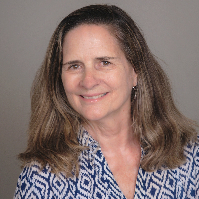
California · 20 yrs exp
LMFT - Stress and relationship concerns
Stress, Anxiety · Grief · Anger · Self esteem · +9 more
Read profile
California · 10 yrs exp
LPCC counselor - Stress and ADHD support
Stress, Anxiety · Grief · Depression · Coping with life changes · +5 more
Read profileWhen you search profiles for online therapists in California who list ADHD among their specialties, you will find a range of approaches and professional backgrounds. Some clinicians may highlight work with children and teens, others with adults, and some with families or workplace functioning. The phrase "lists ADHD among their specialties" simply indicates that the therapist includes ADHD-related concerns in their profile description - it does not confirm a particular credential, a specific training pathway, or an ability to provide a formal medical diagnosis. Your best path is to read profiles carefully, look for language about the populations they regularly work with, and gather the factual details you want to confirm during an initial conversation.
Online therapy can take different shapes - some therapists focus on video sessions that mirror in-person appointments, while others include brief check-ins, skill-focused sessions, or collaborative work with caregivers. In California, licensed clinicians who provide telehealth services must follow state rules about practice and licensure. When you review a profile, notice how the therapist describes the structure of their sessions, whether they mention family or partner work, and how they talk about goals and outcomes. That information helps you gauge whether their style and stated priorities might fit the support you are seeking.
Therapists who list ADHD among their specialties often describe different clinical backgrounds and therapeutic approaches. You will encounter clinicians with licenses such as marriage and family therapists, clinical social workers, professional clinical counselors, licensed psychologists, or psychiatrists; each license type represents a different training and regulatory pathway. Profiles also commonly list therapeutic approaches in terms like cognitive-behavioral strategies, behavioral coaching, skills-based work, family systems perspectives, or mindfulness-based practices. Remember that a listed approach is an indication of the methods the therapist prefers to use, not a verification of formal certification in that modality.
ADHD frequently co-occurs with challenges such as anxiety, depression, learning differences, executive function difficulties, sleep problems, or relationship strain. Many therapists will list related focus areas on their profiles. Reading those descriptions helps you identify clinicians who have experience addressing the mix of concerns you face. If you are seeking support for parenting strategies, college or workplace accommodations, time management, or emotional regulation, look for profiles that describe work with similar goals. You can also note language skills, multicultural competence, or specialized experience with specific age groups as part of your decision-making process.
When you contact a therapist after reviewing their profile, there are practical questions that will help you determine whether to move forward. Ask how they typically work with clients who describe attention, organization, or impulsivity challenges, and whether they focus more on skills training, coaching-style supports, family interventions, or therapy for related mood or anxiety issues. Inquire about the age groups they commonly work with, such as children, adolescents, or adults, and whether they have experience coordinating care with schools, employers, or medical professionals when that collaboration is needed.
Because profiles only indicate that a therapist lists ADHD among their specialties, do not assume they provide diagnostic evaluations or manage medications. If you want or need a formal diagnostic assessment or medication management, ask the therapist whether they refer clients to medical or diagnostic professionals, and what that referral process typically looks like. You can also ask how they work with clients who have already received a diagnosis - for example, whether they help with organizational skills, executive function coaching, behavioral strategies, or emotional support related to living with ADHD.
Online therapy can be a core part of a broader support plan. Therapists often help you develop routines, practice time management strategies, strengthen executive function skills, and address the emotional impact of attention-related challenges. Therapy can also support relationships affected by ADHD-related behaviors and help you set practical, achievable goals. If you are looking for behavioral strategies, coaching around organization and planning, or help managing stress and co-occurring mood concerns, a therapist who lists ADHD among their specialties may be able to help.
If you suspect you or a family member needs a formal diagnostic evaluation, a medical opinion, or medication management, you should consult with an appropriate medical or diagnostic professional. Psychiatrists, primary care physicians, pediatricians, or specialized assessment clinics can provide diagnostic evaluations and manage medications. Therapists can collaborate with these professionals by sharing observations about functioning and progress, but diagnosis and medication decisions are typically handled by practitioners with the appropriate medical or psychological licensure. If you are unsure which type of provider you need, ask a therapist on your shortlist how they typically refer clients for diagnostic or medical evaluation and what coordination might look like.
Verifying licensure is an important step before beginning work with any clinician. In California, different practitioner types are overseen by different boards. The Board of Behavioral Sciences maintains license records for marriage and family therapists, clinical social workers, and professional clinical counselors. The Board of Psychology maintains records for licensed psychologists. The Medical Board of California oversees physicians, including psychiatrists. You can search these boards' online license lookup tools to confirm a clinician's license number, current status, expiration date, and whether any disciplinary actions are listed. If you are uncertain about the board corresponding to a clinician's title, you can ask the therapist which board issued their license and request their license number so you can confirm the record yourself.
When you review a license record, check that the license is active and issued for the professional type the therapist lists on their profile. Look for the license expiration date and for any public disciplinary history that may be noted. Keep in mind that directory information can sometimes be out of date, so a quick verification on the state board's site is a reliable step. If you have questions about what you find, the state boards typically provide contact information for additional inquiries.
Choosing a therapist is a personal decision, and profiles are a starting point for narrowing options. Read each profile with attention to the populations and concerns the clinician highlights, the therapeutic approaches they list, and any statements about therapy goals or session structure. Consider whether their language feels aligned with your preferences - for example, whether they emphasize skills and strategy work, relational or family-focused approaches, or longer-term exploratory therapy. Also note practical details on profiles such as accepted insurance, fee ranges, and the modalities listed for online work. While profiles do not tell the whole story, they help you form a set of clarifying questions to ask when you reach out.
Feeling comfortable with a therapist's communication style is essential for good progress. During an initial call or consultation, pay attention to how the therapist listens to your concerns, whether they respond in a way that feels respectful and clear, and whether they describe a collaborative plan that matches your goals. Ask about what a typical session looks like, how goals are set and reviewed, and how they measure or track progress. If you have specific needs - for example, structured homework, family involvement, or workplace-focused coaching - ask how those elements would be incorporated into the work. Over time, you will know whether a therapist feels like the right fit for the kind of change you want to pursue.
Finding the right online therapist in California who lists ADHD among their specialties requires a mix of careful profile review, direct questions about experience and approach, and confirmation of licensure. Use the directory to explore clinicians who describe work that resonates with your needs, prepare questions to clarify their role related to diagnosis and medical care, and verify credentials through the appropriate California licensing board. Thoughtful comparison and an initial conversation will help you determine who is most likely to support the goals you have in mind.
Addictions
3011 therapists
Anger
4166 therapists
Autism
974 therapists
Bipolar
3113 therapists
Control Issues
2050 therapists
Depression
5050 therapists
Eating Disorders
1428 therapists
Grief
4326 therapists
Guilt and Shame
3046 therapists
Impulsivity
2120 therapists
Isolation / Loneliness
2889 therapists
Midlife Crisis
1675 therapists
Mood Disorders
2666 therapists
Obsession
1364 therapists
Panic Disorder and Panic Attacks
2345 therapists
Post-Traumatic Stress
2782 therapists
Self Esteem
5021 therapists
Sleeping Disorders
1784 therapists
Social Anxiety and Phobia
3004 therapists
Stress & Anxiety
5353 therapists
Trauma and Abuse
4513 therapists
Attachment Issues
2095 therapists
Blended Family Issues
1685 therapists
Career
3477 therapists
Caregiver Issues and Stress
2367 therapists
Coaching
2063 therapists
Codependency
1844 therapists
Communication Problems
3544 therapists
Coping with Life Changes
4840 therapists
Divorce
2244 therapists
Family
4425 therapists
Life Purpose
3138 therapists
Money and Financial Issues
1120 therapists
Parenting
4077 therapists
Relationship
4585 therapists
Self-Love
3168 therapists
Workplace Issues
2228 therapists