- CBT
- EFT
- EMDR
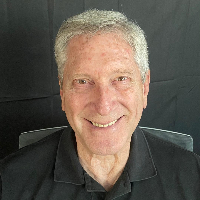
About Brian
Brian Olden is a Licensed Clinical Social Worker (LCSW) in California with 45 years of clinical experience. He lists concerns such as relationship problems, trauma and abuse, depression, anxiety, stress, grief, parenting, and ADHD among his focus areas. He also notes work with career challenges, sleep difficulties, anger, self-esteem, and longer-term conditions like bipolar disorder and compassion fatigue.
Olden describes a collaborative method for setting goals with the person in therapy. He writes that he adapts his approach to the needs the client brings and aims to help people identify and use their strengths. He has lived overseas and says this experience made him attentive to cultural differences.
His background includes work with military trauma and sexual trauma and experience supporting adults through life transitions. He also reports helping caregivers and people facing chronic pain, illness, or end-of-life issues. He mentions experience with adoption and foster care concerns and blended family dynamics.
In practice he uses several well-known therapeutic approaches, including Client-Centered Therapy, Cognitive Behavioral Therapy (CBT), Emotionally-Focused Therapy (EFT), Eye Movement Desensitization and Reprocessing (EMDR), and Narrative Therapy. He notes an interest in coaching people toward goals they have not yet reached and in practical strategies to build on existing strengths.
Brian emphasizes agreeing on therapeutic goals together with the person seeking help. He frames therapy as a practical collaboration to develop strategies for follow-through, problem solving, and managing life changes.
Clinical approaches and how online sessions can work
Client-Centered Therapy focuses on the person's perspective and choices. It involves listening closely and helping someone decide goals that matter to them, which can help with motivation, follow-through, and relationship concerns.Cognitive Behavioral Therapy (CBT) looks at the links between thoughts, feelings, and behavior. It uses straightforward strategies to address unhelpful thinking and to build new routines, which can be useful for anxiety, depression, procrastination, and attention-related difficulties.
Emotionally-Focused Therapy (EFT) concentrates on patterns in close relationships. It helps people identify emotional responses and change interaction patterns, which can be helpful for intimacy and attachment issues.
Finding the right approach is part of the work. The therapist will discuss goals, preferences, and what seems to help, and then try methods that fit the person’s needs. That collaborative process helps tailor sessions so they stay practical and goal-oriented.
Session formats are not specified in the biography, so confirm available options before booking. Online sessions can make it easier to fit therapy into a busy schedule, allow shorter check-ins when needed, and reduce travel time. They also let someone attend from wherever they can arrange a quieter moment, which can help keep consistent momentum toward goals.
Areas of expertise
Primary focus
Also works with
Additional focus areas
Therapeutic approaches
Experience
45+ years
Credentials
California
Languages
English
Frequently asked questions
What concerns does he address?
He lists relationship issues, trauma and abuse, depression, anxiety, stress, grief, parenting challenges, ADHD, and related areas like career and sleep problems.
What is his therapeutic style?
He emphasizes collaborative goal setting and adapting methods to the person's needs, using approaches such as Client-Centered Therapy and CBT.
How much experience does he have?
He has 45 years of clinical experience working with adults across many concerns and life stages.
What are his credentials and where is he based?
He is an LCSW licensed in California and practices there.
Which languages are supported?
Sessions are offered in English only.
Can people outside the US work with him?
He does not accept international clients at this time.
How are fees and payments handled?
Cost varies with location and sessions are billed through a subscription that can be canceled at any time.
How do I begin working with him?
Select the See online therapy options button, complete the short matching questionnaire, and schedule a first session.
Before you reach out
A profile shows the concerns a counselor lists; it is not a diagnosis, an ADHD assessment or a promise of results. Questions about evaluation or medication belong with a doctor or other prescriber. If you feel unsafe right now, call or text 988, or call 911.