- CBT methods
- ACT techniques
- Relationship focus
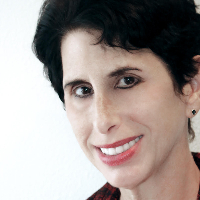
About Arlene
Dr. Arlene Unger is a California psychologist with three decades of clinical work. She lists stress, anxiety, addictions, relationship problems, grief, depression, LGBT concerns, trauma and ADHD among the issues she addresses. She offers practical help for everyday problems like sleep, eating, parenting strain, anger, and career stress.
Dr. Unger uses Cognitive Behavioral Therapy, Acceptance and Commitment Therapy, and Emotionally-Focused Therapy in her practice. Sessions focus on clear skills and small steps people can try between meetings. She also draws on life coaching and mindfulness practices to support behavior change over time.
Her background includes a PhD in clinical psychology and a range of additional professional certificates related to wellness and substance use. That mix informs a pragmatic approach that links thinking patterns to daily routines and relationships. She notes a long practice history of working with people through loss, trauma, and recurring stress.
When attention and organization are a struggle, she helps people set manageable goals and practice routines that improve follow-through. Work often includes short exercises, planning strategies, and attention to emotion in relationships. The aim is steady improvement in daily functioning rather than quick fixes.
People who choose her are asked to complete an initial matching questionnaire and then schedule a first meeting. Dr. Unger practices in California and conducts sessions in English. Costs vary with location and use a subscription that can be canceled at any time.
How ACT, CBT and EFT shape online work
Acceptance and Commitment Therapy (ACT) focuses on noticing thoughts and values-driven actions. It helps people clarify what matters and take small steps toward those values despite distraction or strong feelings. Cognitive Behavioral Therapy (CBT) looks at thoughts and behaviors and teaches practical strategies to change unhelpful patterns. It often includes short exercises to practice between sessions. Emotionally-Focused Therapy (EFT) attends to emotional patterns in close relationships and can help people understand and change how they connect with others.Choosing an approach is part of the work. The therapist will collaborate with the client to decide which methods fit their goals and preferences. That means discussing what feels useful, trying techniques, and adjusting the plan over time rather than sticking to one method from the start.
The original biography does not list specific session formats, so confirm current online options before booking. Online therapy can make it easier to fit sessions into a busy week, allow shorter check-ins when needed, and reduce travel time. It also makes it possible to use real-life examples from daily routines during sessions and to practice new habits between meetings.
Areas of expertise
Primary focus
Also works with
Additional focus areas
Therapeutic approaches
Experience
30+ years
Credentials
California
Languages
English
Frequently asked questions
What kinds of concerns does she address?
She lists stress, anxiety, addictions, relationship difficulties, grief, depression, trauma, ADHD and related issues among the concerns she works with.
What therapeutic styles does she use?
Her practice uses Cognitive Behavioral Therapy (CBT), Acceptance and Commitment Therapy (ACT), and Emotionally-Focused Therapy (EFT) as core approaches.
How much clinical experience does she have?
She has 30 years of clinical experience working with a wide range of issues including chronic stress and trauma.
What are her credentials and where is she based?
She is listed as CA Psychologist 15383 and practices in California.
Are sessions offered in other languages or internationally?
Sessions are offered in English and she is not currently accepting international clients.
What session formats are available?
The original biography does not specify session formats; please confirm current session options before booking.
How is pricing handled?
Cost varies with location and sessions use a subscription model that can be canceled at any time.
How do I begin working with her?
Select the See online therapy options button, complete the short matching questionnaire, and schedule a first session.
Before you reach out
A profile shows the concerns a counselor lists; it is not a diagnosis, an ADHD assessment or a promise of results. Questions about evaluation or medication belong with a doctor or other prescriber. If you feel unsafe right now, call or text 988, or call 911.