- Client-Centered Therapy
- Cognitive Behavioral Therapy
- Dialectical Behavior Therapy
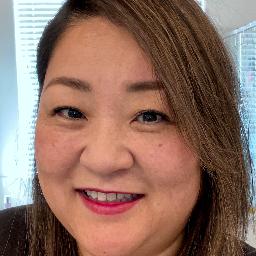
About Yong
Yong Pak is a Licensed Clinical Social Worker (LCSW) in Nevada with 15 years of experience. She works with people dealing with stress, anxiety, relationship and family concerns, depression, addiction, trauma, grief, and ADHD. She also addresses parenting, intimacy-related concerns, anger, self-esteem, career questions, and bipolar disorder.
She began practicing in 2005, first providing services focused on children and families before expanding to work with individuals and couples. Over time she has supported people facing a wide range of life changes and emotional challenges. Her background includes work with survivors of emotional and physical trauma and with people managing grief and loss.
Her approach is client-centered, meaning sessions start with the client’s goals and priorities. She draws on Cognitive Behavioral Therapy and Dialectical Behavior Therapy techniques where helpful. She also uses Emotionally-Focused and Solution-Focused strategies to address relationship and behavior patterns.
In sessions she aims to help clients identify practical steps they can try between meetings. That may include breaking tasks into smaller parts, practicing new communication moves, or experimenting with coping techniques for strong emotions. She discusses options and helps people pick what fits their daily life.
She works in English and practices in Nevada as an LCSW. People who want to start are asked to use the site’s matching and scheduling process to arrange a first session. The subscription billing for sessions can be canceled at any time.
How her approaches translate to online sessions
Yong draws mainly from Client-Centered Therapy, Cognitive Behavioral Therapy (CBT), and Dialectical Behavior Therapy (DBT) in her work. Client-Centered Therapy focuses on listening to the client's goals and shaping sessions around what matters most to them. CBT looks at the links between thoughts, feelings, and behaviors and offers practical exercises to test new ways of thinking and acting. DBT teaches specific skills for managing intense emotions, improving distress tolerance, and handling difficult interactions.Choosing the most helpful approach is a collaborative process. She will talk with the client about their objectives and everyday routines, and then suggest strategies to try. Together they adjust methods and homework tasks so the plan fits the client's priorities and schedule.
Session formats are not specified in the biography, so confirm current online options before booking. Many people find online sessions easier to fit into work and family life because they remove travel time and can be scheduled around other commitments. Online meetings can also make short check-ins simpler and let clients practice skills in real-world settings between appointments.
Areas of expertise
Primary focus
Also works with
Therapeutic approaches
Experience
15+ years
Credentials
Nevada
Languages
English
Frequently asked questions
What concerns does she address?
She works with stress, anxiety, depression, ADHD, grief, trauma, relationship and family issues, parenting, addictions, and related concerns.
What is her therapeutic style?
She uses a client-centered approach and adapts techniques from CBT, DBT, Emotionally-Focused Therapy, and Solution-Focused Therapy to match the client's goals.
How long has she practiced?
She has practiced in the mental health field since 2005, giving her about 15 years of experience as an LCSW.
What credential and location does she hold?
She is an LCSW licensed in Nevada and practices there.
Which languages are supported?
Sessions are offered in English.
Can international clients work with her?
International clients are not accepted at this time.
How are sessions billed?
Session cost varies by location and uses a subscription that can be canceled at any time.
How do I begin working with her?
Use the See online therapy options button, complete the short matching questionnaire, and schedule a first session through the site.
Before you reach out
A profile shows the concerns a counselor lists; it is not a diagnosis, an ADHD assessment or a promise of results. Questions about evaluation or medication belong with a doctor or other prescriber. If you feel unsafe right now, call or text 988, or call 911.