- ACT and CBT methods
- Mindfulness practice
- Solution-focused work
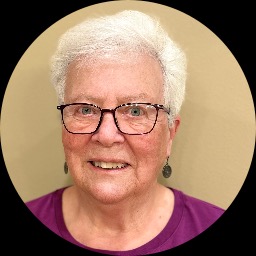
About Virginia
Virginia Vary is an LMSW (Licensed Master Social Worker) practicing in Michigan with 35 years of counseling experience. She helps people facing stress, anxiety, addiction, ADHD, grief, trauma, relationship strain, and career or parenting challenges. Her work also covers issues tied to aging, chronic illness, cancer, and end-of-life concerns.
She keeps sessions straightforward and practical. Conversations focus on current problems and steps a person can try between meetings. She listens to what matters most and uses methods that fit the client’s goals.
Virginia draws on Acceptance and Commitment Therapy, Cognitive Behavioral Therapy, mindfulness, client-centered methods, and solution-focused work. That mix lets her address thoughts, unhelpful habits, and daily routines that get in the way of follow-through and focus. She uses short exercises and clear strategies people can apply at home.
Her approach aims to help people notice what matters, reduce unhelpful reactions, and build small, manageable changes. That can include strategies for sleep, eating patterns, stress responses, and substance use concerns. She also supports adults dealing with LGBT matters and gender dysphoria related concerns.
Sessions are presented in a respectful, nonjudgmental manner. Virginia encourages practical planning, checking what works, and adapting tools over time. To begin, clients follow the site process to match and schedule an initial appointment.
How her approaches translate to online sessions
Acceptance and Commitment Therapy (ACT) helps people notice thoughts and choose actions that match their values. It can help when focus and follow-through are disrupted by worry or avoidance. Cognitive Behavioral Therapy (CBT) targets the thoughts and routines that keep problems going and offers practical exercises to change them. Mindfulness Therapy trains simple attention skills to reduce reactivity and improve concentration.Choosing the right approach is a collaborative process. The therapist will talk with the client about goals and preferences, then try methods that suit those needs. Sessions can be regularly reviewed so techniques are adjusted if something isn’t working.
Online therapy can make it easier to fit sessions into a busy life. It can reduce commute time and let people schedule brief check-ins around work or caregiving. The exact session formats should be confirmed before booking, as the listing does not specify them here. Many people find remote sessions useful for keeping momentum between appointments and for practicing strategies in day-to-day settings.
Areas of expertise
Primary focus
Also works with
Additional focus areas
Therapeutic approaches
Experience
35+ years
Credentials
Michigan
Languages
English
Frequently asked questions
What concerns does she commonly address?
She works with stress, anxiety, addiction, grief, trauma, relationship and parenting concerns, ADHD, sleep and eating issues, and career questions.
How would you describe her therapeutic style?
Her style is practical and client-centered, focusing on present problems and small strategies people can use between sessions.
How much experience does she have?
She has 35 years of professional counseling experience serving clients in a range of concerns.
What credential does she hold and where is she based?
She is an LMSW (Licensed Master Social Worker) practicing in Michigan.
Which languages are offered for sessions?
Sessions are offered in English.
Can people outside the United States work with her?
She does not accept international clients at this time.
How are sessions billed?
Cost varies with location; sessions use a subscription model that can be canceled at any time.
How do I begin working with her?
Use the See online therapy options button, complete the short matching questionnaire, and schedule a first session.
Before you reach out
A profile shows the concerns a counselor lists; it is not a diagnosis, an ADHD assessment or a promise of results. Questions about evaluation or medication belong with a doctor or other prescriber. If you feel unsafe right now, call or text 988, or call 911.