- CBT strategies
- Mindfulness skills
- Solution-focused work
About Valenta
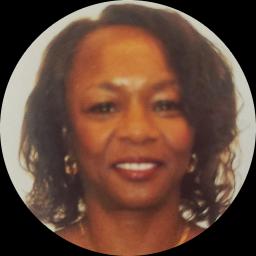
Dr. Valenta Ward-Gravely is an Ohio LPCC with 20 years of clinical experience. She helps people managing stress, anxiety, addictions, relationship and family concerns, ADHD, grief, and caretaking strains. Her work also covers sexual intimacy issues, sleep and eating struggles, career challenges, and compassion fatigue.
She uses straightforward conversations to identify what is getting in the way of day-to-day functioning. Sessions focus on concrete problems and small, repeatable steps. She draws on Cognitive Behavioral Therapy and solution-focused techniques to change unhelpful patterns and build routines that stick.
Dr. Ward-Gravely also uses client-centered methods to make room for each person’s priorities. Mindfulness skills are taught when helpful for attention, stress reduction, or sleep. Motivational interviewing supports people working through addiction or major behavior changes.
She has experience with adoption and foster care issues, aging and geriatric concerns, attachment difficulties, autism and Asperger syndrome, and communication problems. She has worked with people facing domestic violence, substance use, process addictions, and prejudice or multicultural stressors.
Practical problem solving is a through line in her work. Expect focused sessions that identify barriers, test small changes, and build skills for planning, time management, and follow-through. For people juggling busy lives, she aims to make therapy usable between appointments.
How therapeutic approaches translate to online sessions
Client-Centered Therapy focuses on listening and building a collaborative connection. The therapist follows the client’s lead, clarifies priorities, and helps people set goals that matter to them. Cognitive Behavioral Therapy (CBT) targets unhelpful thoughts and routines with practical exercises. CBT helps when attention, procrastination, or mood patterns are getting in the way of daily tasks. Mindfulness Therapy introduces brief awareness practices and grounding techniques to reduce stress and improve focus during the day.Choosing the right approach is part of the work. The therapist will discuss how these methods could fit the client’s goals and will adjust strategies based on what works. That conversation is collaborative and revisited as progress is made.
Confirm the current session options before booking so you know which formats are offered. Online sessions can make it easier to fit meetings into a busy schedule, shorten commute time, or use phone-only check-ins when a video session is not practical. Many clients find it simpler to apply skills between sessions when appointments fit into their existing routines.
Areas of expertise
Primary focus
Also works with
Additional focus areas
Therapeutic approaches
Experience
20+ years
Credentials
Ohio
Languages
English
Frequently asked questions
What concerns does she address?
She helps with stress, anxiety, addictions, relationship and family issues, ADHD, grief, sleep and eating problems, career strain, and related areas listed in her specialties.
How would she describe her therapeutic style?
Her style is practical and problem-focused. She uses clear steps, skill-building, and collaborative planning in sessions.
How much clinical experience does she have?
She has 20 years of experience working with a wide range of concerns, including trauma, attachment issues, and neurodivergent needs.
What are her credentials and where is she located?
She is an Ohio LPCC and practices in Ohio.
Which languages can sessions be conducted in?
Sessions are offered in English.
Can people from other countries work with her?
She accepts international clients; confirm any practical details when you begin the intake process.
How does billing and cost work?
Cost varies with location and sessions use a subscription model that can be canceled at any time.
What are the steps to get started?
Click the See online therapy options button, complete a short matching questionnaire, and schedule the first session.
Before you reach out
A profile shows the concerns a counselor lists; it is not a diagnosis, an ADHD assessment or a promise of results. Questions about evaluation or medication belong with a doctor or other prescriber. If you feel unsafe right now, call or text 988, or call 911.