- CBT focused
- Skills and coaching
- Trauma informed
About Tonyamonique
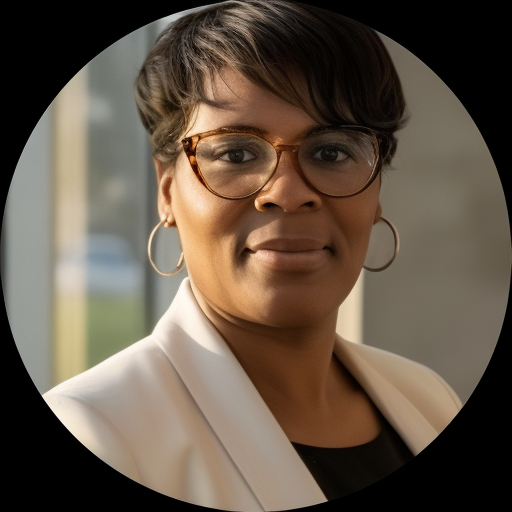
Tonyamonique Hall is an LPC - Licensed Professional Counselor in Georgia with five years of clinical experience. She lists stress, anxiety, addictions, trauma and abuse, depression, self-esteem, grief, anger, life changes, coaching, and ADHD among the concerns she works with. She has worked in a behavioral health crisis center and within a correctional setting.
She begins by making conversation straightforward. Sessions often open with a clear question about what feels most urgent. She listens, asks practical follow-up questions, and helps people name specific problems to address. Cognitive Behavioral Therapy is a common part of her work, and she combines other approaches when they suit a person’s goals.
Her background includes a master’s degree in clinical mental health counseling and rehabilitation from Thomas University. That training, plus hands-on work in crisis and correctional environments, shaped how she manages high-stress situations and immediate needs. She brings direct, down-to-earth reasoning to session planning.
In practice she focuses on skill-building and problem solving. That can mean working on routines, time management, coping skills for anxiety, or steps to reduce substance use. She also addresses feelings that come up around loss, anger, or identity questions.
Tonyamonique frames therapy as a collaborative process. She helps people set reachable short-term goals and reviews practical steps between meetings. People who prefer clear structure and concrete strategies may find this approach fits well.
Therapeutic approaches and online sessions
Client-Centered Therapy centers the conversation on the person and their priorities, letting the therapist follow a client’s lead to identify what matters most. This approach helps when someone needs a listening space to sort feelings and make decisions. Cognitive Behavioral Therapy (CBT) focuses on identifying unhelpful thoughts and testing new behaviors. It is practical and often used for anxiety, low mood, and problems with focus or routines.Finding the right approach is part of the work together. The therapist will discuss options, try methods that fit your goals, and adjust plans based on what helps. That collaborative process aims to match skills and strategies to day-to-day needs and priorities.
Session formats and scheduling details should be confirmed before booking. The listing does not specify exact session formats here, so check the online options when you choose to begin. Online work can make it easier to fit sessions into a busy week, allow shorter check-ins when needed, and reduce travel time so therapy fits around work or caregiving. Therapists can also adapt exercises and homework to the realities of a client’s daily routine.
Areas of expertise
Also works with
Additional focus areas
Therapeutic approaches
Experience
5+ years
Credentials
Georgia
Languages
English
Frequently asked questions
What concerns does she commonly work with?
She lists stress, anxiety, addictions, trauma and abuse, depression, self-esteem, grief, anger, life changes, coaching, and ADHD among her core areas.
What is her therapeutic style?
She often uses Cognitive Behavioral Therapy and blends other approaches to match a person's needs. Sessions focus on practical skills and problem solving.
How much clinical experience does she have?
She has five years of experience working in a behavioral health crisis center and in a correctional system.
What are her credentials and location?
She is an LPC - Licensed Professional Counselor in Georgia and holds a master’s degree in clinical mental health counseling and rehabilitation from Thomas University.
Which languages are supported?
Sessions are offered in English.
Can people outside the US work with her?
She does not accept international clients at this time.
How much do sessions cost?
Cost varies with location and sessions use a subscription model that can be canceled at any time.
How do I begin working with her?
Select the See online therapy options button, complete the short matching questionnaire, and schedule a first session.
Before you reach out
A profile shows the concerns a counselor lists; it is not a diagnosis, an ADHD assessment or a promise of results. Questions about evaluation or medication belong with a doctor or other prescriber. If you feel unsafe right now, call or text 988, or call 911.