- Client-Centered Therapy
- Cognitive Behavioral Therapy
- Motivational Interviewing
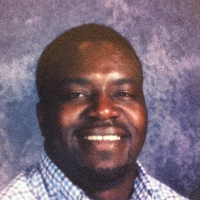
About Timothy
Timothy Pittman is a Licensed Clinical Mental Health Counselor (LCMHC) based in North Carolina with 20 years of experience. He works with adults and adolescents on concerns such as depression, anxiety, bipolar disorder, addictions, grief, relationship strain, and ADHD. He also addresses issues like sleep problems, anger, self-esteem, career stress, and coping with major life changes.
Timothy uses straightforward, skills-based methods in sessions. He listens to current difficulties, looks at how past experiences relate to present patterns, and helps clients notice behaviors that hold problems in place. He guides people through practical changes rather than only talking about feelings.
His approach draws on Client-Centered Therapy, Cognitive Behavioral Therapy (CBT), Motivational Interviewing, and Solution-Focused Therapy. That mix lets him shift between exploring emotions, testing thoughts, building motivation for change, and setting clear short-term goals. Sessions often focus on small, concrete steps clients can try between meetings.
Timothy has worked in mental health and substance use settings for two decades. That background informs his work with addictions, trauma, and mood concerns. He brings direct experience helping people reduce harmful behaviors and pursue healthier routines.
People who book a first session can expect a practical conversation about current priorities and next steps. He helps clients identify patterns that get in the way and then practices alternatives together. For parents or adults managing focus and organization, he can offer strategies for follow-through and daily structure.
How his approaches translate to online work
Timothy often uses Cognitive Behavioral Therapy and Motivational Interviewing in his practice. CBT focuses on identifying unhelpful thoughts and testing them with small experiments, which helps with mood, anxiety, and behavior patterns. Motivational Interviewing is a conversational method to clarify what matters to a person and build readiness for change, useful for addictions and habit change.Finding the right approach is part of the process. He will work collaboratively to match methods to a client's goals, preferences, and the problem at hand. That means adjusting session focus over time based on what is helping and what is not.
Session formats are not specified in the biography, so confirm current options before booking. Online work can make it easier to fit therapy into a busy week, reduce travel time, and allow shorter check-ins when needed. It also allows practicing skills in everyday contexts and reviewing progress between sessions, which can be useful for organizing, follow-through, and managing attention difficulties.
Areas of expertise
Primary focus
Also works with
Additional focus areas
Therapeutic approaches
Experience
20+ years
Credentials
North Carolina
Languages
English
Frequently asked questions
What concerns does he address?
He works with depression, anxiety, bipolar disorder, addictions, grief, relationship and intimacy issues, and ADHD among other concerns.
What kind of therapy style does he use?
He combines Client-Centered Therapy, Cognitive Behavioral Therapy, Motivational Interviewing, and Solution-Focused Therapy to mix emotion-focused work, thought testing, motivation building, and goal setting.
How much experience does he have?
He has 20 years of experience in mental health and substance abuse services working with adolescents and adults.
Where is he licensed and based?
He is an LCMHC licensed in North Carolina and practices there.
Which languages are supported for sessions?
Sessions are offered in English.
Can international clients work with him?
He does not accept international clients at this time.
How much do sessions cost?
Cost varies with location; sessions use a subscription that can be canceled at any time.
How do I begin working with him?
Select the See online therapy options button, complete a short matching questionnaire, and schedule a first session.
Before you reach out
A profile shows the concerns a counselor lists; it is not a diagnosis, an ADHD assessment or a promise of results. Questions about evaluation or medication belong with a doctor or other prescriber. If you feel unsafe right now, call or text 988, or call 911.
All counselors Surnames under P Counselors in North Carolina