- ACT and CBT
- DBT skills
- Attachment work
About Thomas
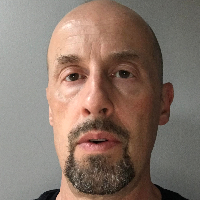
Thomas Zimm is an Illinois LCSW with 14 years of clinical experience. He works with stress, anxiety, trauma and abuse, grief, anger, depression, addictions, relationship and family concerns, bipolar disorder, compassion fatigue, and ADHD. He also addresses issues such as abandonment, attachment concerns, caregiver stress, and post-traumatic stress.
He trained at the Jane Addams School of Social Work and holds a Master of Social Work, practicing in Illinois as an LCSW. His background includes work with people who have experienced abuse, neglect, domestic violence, separation, loss, depression, substance use, interpersonal violence, and homelessness. He has worked with adolescents and adults across these concerns.
In sessions he keeps things straightforward and practical. He focuses on engagement, listening, and advocacy instead of labels. Conversations tend to center on skills people can use between meetings and ways to manage overwhelming moments.
His methods draw on Acceptance and Commitment Therapy, Cognitive Behavioral Therapy, Dialectical Behavior Therapy, attachment-based ideas, and trauma-focused work. That mix is used to help people notice patterns, manage strong emotions, and practice new behaviors that fit daily life.
Thomas approaches therapy as collaborative work. He helps people set clear goals and tracks progress along the way. People looking for a therapist in Illinois who uses evidence-informed practices may find his style straightforward and practical.
Therapeutic approaches and online care
Thomas uses Acceptance and Commitment Therapy to help people notice unhelpful thoughts and choose actions that align with their values. ACT supports handling difficult feelings while still taking steps toward meaningful goals. Acceptance and Commitment Therapy can help with worry, avoidance, and struggles around follow-through.He also draws on Cognitive Behavioral Therapy to identify thought patterns that lead to stress or low mood. CBT breaks problems into manageable steps and introduces practical exercises people can use between sessions. For trauma-related concerns he uses trauma-focused approaches that name the impact of past events and teach specific coping skills.
Finding the best fit is part of the work. He will collaborate with each person to choose which approaches to try based on their goals and preferences, and adjust methods as progress is tracked.
The original biography does not specify session formats, so confirm current online options before booking. Discussing scheduling needs during the matching process can help fit sessions into busy lives, such as shorter check-ins or timing sessions around work breaks. Online work can make it easier to access consistent support while maintaining a practical routine.
Areas of expertise
Primary focus
Also works with
Additional focus areas
Therapeutic approaches
Experience
14+ years
Credentials
Illinois
Languages
English
Frequently asked questions
What concerns does he address?
He works with stress, anxiety, trauma and abuse, grief, anger, depression, addictions, relationship and family issues, bipolar, compassion fatigue, and ADHD among other areas.
What is his therapeutic style?
He uses a supportive, collaborative approach that emphasizes engagement and advocacy rather than labels. Sessions focus on practical skills and managing strong emotions.
How much clinical experience does he have?
He has 14 years of clinical experience working with people who have experienced abuse, neglect, domestic violence, separation, loss, depression, and homelessness.
What are his credentials and location?
He is an LCSW licensed in Illinois and trained at the Jane Addams School of Social Work.
Which languages are supported?
Sessions are offered in English and he accepts international clients.
What session formats are available?
The original biography does not list specific session formats. Confirm current session options before booking.
How is cost handled?
Cost varies with location and sessions use a subscription model that can be canceled at any time.
How do I begin working together?
Select the See online therapy options button, complete a short matching questionnaire, and schedule a first session.
Before you reach out
A profile shows the concerns a counselor lists; it is not a diagnosis, an ADHD assessment or a promise of results. Questions about evaluation or medication belong with a doctor or other prescriber. If you feel unsafe right now, call or text 988, or call 911.