- Client-Centered Therapy
- Cognitive Behavioral Therapy
- Mindfulness techniques
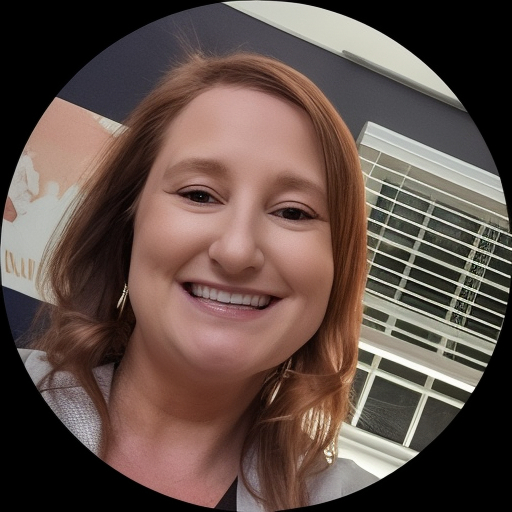
About Tandi
Tandi Orluk is a Licensed Clinical Social Worker (LCSW) practicing in New York with 18 years of experience. She works with adults on concerns including stress, anxiety, depression, self-esteem, relationship and family strains, trauma and abuse, bipolar disorder, and ADHD. She also addresses sleep and eating issues, career stress, and compassion fatigue.
Her approach centers on client-centered care that asks about and follows each person’s goals. She uses practical tools from cognitive behavioral therapy and dialectical behavior therapy along with mindfulness and motivational interviewing when helpful. Sessions focus on skills people can use between meetings to manage attention, mood, and everyday tasks.
Orluk draws on a range of methods rather than a single path. She may use solution-focused strategies to set small, clear steps toward a goal. Motivational interviewing is used when people want support making changes but feel stuck.
For trauma and post-traumatic stress concerns she combines careful, paced conversations with coping skills to reduce overwhelm. For attention and organization challenges she emphasizes concrete routines, time-management strategies, and brief behavioral experiments to test what helps.
Her work includes helping people with feelings of isolation, guilt, or shame, and with recovering from sexual assault and abuse. She also supports those facing workplace stress, relationship conflicts, and life transitions. The process begins by asking about priorities and building a plan that fits daily life.
How her approaches translate to online sessions
Tandi uses client-centered work alongside cognitive behavioral therapy and dialectical behavior therapy. Client-centered work means she asks about priorities and follows what matters most to the person. Cognitive behavioral therapy focuses on changing unhelpful thoughts and habits with small experiments and practice. Dialectical behavior therapy brings in concrete coping skills for emotion regulation and interpersonal effectiveness, useful for intense mood swings or relationship stress. Choosing the right approach is part of the process. She will collaborate with each person to decide which methods match their goals and day-to-day routines. That conversation shapes whether sessions emphasize skills practice, brief behavioral experiments, or solution-focused steps. Session formats are not specified in the biography, so confirm current options before booking. Online work can make it easier to fit meetings into a busy week, allow shorter check-ins when needed, and support practicing new routines between sessions. The focus is on usable tools and plans people can apply to attention, organization, mood, and relationships in everyday life.Areas of expertise
Primary focus
Also works with
Additional focus areas
Therapeutic approaches
Experience
18+ years
Credentials
Kentucky, New York
Languages
English
Frequently asked questions
What concerns does she work with?
She works with adults on stress, anxiety, depression, ADHD, trauma, relationship and family concerns, and related issues such as sleep and eating problems.
What is her therapeutic style?
Her style is client-centered and practical, using tools from cognitive behavioral therapy, dialectical behavior therapy, mindfulness, and motivational interviewing.
How much clinical experience does she have?
She has 18 years of clinical experience working with individuals and with relationship and family matters.
What credentials and location are listed?
She is an LCSW licensed in New York and practices from New York.
Which languages are supported?
Sessions are offered in English.
Does she see international clients?
International clients are not currently accepted.
How does cost work?
Cost varies with location; sessions use a subscription model that can be canceled at any time.
How do I begin working with her?
Use the See online therapy options button, complete a short matching questionnaire, and schedule a first session.
Before you reach out
A profile shows the concerns a counselor lists; it is not a diagnosis, an ADHD assessment or a promise of results. Questions about evaluation or medication belong with a doctor or other prescriber. If you feel unsafe right now, call or text 988, or call 911.