- Cognitive Behavioral Therapy
- Solution-Focused Therapy
- Motivational Interviewing
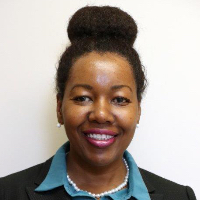
About Tamara
Dr. Tamara Woods is a Licensed Clinical Social Worker (LCSW) practicing in North Carolina with 14 years of clinical experience. She works with adults who are dealing with stress, anxiety, depression, relationship strain, parenting concerns, addictions, and ADHD. She also addresses grief, anger, intimacy-related issues, career challenges, and life transitions.
Dr. Woods uses straightforward, practical methods in sessions. She blends cognitive behavioral techniques with solution-focused steps and client-centered conversation. Motivational interviewing is used when people want to change habits or set new goals. Sessions aim to identify small, usable changes rather than long lists of tasks.
Her approach pays attention to how attachment and past relationships influence present behavior. That perspective helps when people struggle with trust, abandonment, blended family dynamics, or caregiver stress. She listens for patterns that interfere with daily routines and follow-through, then helps clients experiment with new ways of coping.
She brings over two decades of experience working with families in various roles alongside her clinical practice. That background informs her practical problem solving around parenting, adoption and foster care concerns, and family conflict. Work is oriented toward clear steps people can try between sessions.
Sessions are conversational and goal-focused. Dr. Woods encourages clients to set priorities and test what works in real life. Getting started involves a short intake and a plan that reflects the client's immediate needs and longer-term goals.
How her approaches translate to online sessions
Dr. Woods often draws on cognitive behavioral therapy to identify unhelpful thinking and to test new behaviors. CBT is practical and helps with anxiety, depression, focus, and follow-through by breaking problems into manageable steps.She uses solution-focused methods to set concrete goals and track small wins. That approach helps people who want short-term strategies for organization, time management, and motivation. Client-centered work means conversations are led by the client's priorities and pace, with the therapist reflecting and clarifying what matters most.
Choosing an approach is collaborative. Dr. Woods will talk through goals, try methods that fit those goals, and adjust based on what works. Clients and therapist agree on tasks to try between sessions and review progress together.
Session formats are not specified in the biography, so confirm current options before booking. Online sessions can make it easier to fit therapy into a busy life by removing travel, allowing a quicker check-in during a work break, or enabling face-to-face conversation when scheduling is tight. Discuss format preferences during the matching and scheduling steps so practical arrangements fit daily routines.
Areas of expertise
Primary focus
Also works with
Additional focus areas
Therapeutic approaches
Experience
14+ years
Credentials
Georgia, North Carolina
Languages
English
Frequently asked questions
What kinds of concerns does she address?
She works with stress, anxiety, depression, relationship issues, parenting concerns, addictions, ADHD, grief, and related life changes.
What is her therapeutic style?
She blends client-centered conversation with cognitive behavioral and solution-focused techniques to create short-term, practical steps.
How much clinical experience does she have?
She has 14 years as a Licensed Clinical Social Worker and more than 20 years working with families in other roles.
What credentials and location are listed?
She is credentialed as LCSW and CSW with licensure in North Carolina.
Which languages are sessions offered in?
Sessions are offered in English.
Does she work with international clients?
International clients are not currently accepted.
How are sessions paid for and what does it cost?
Cost varies with location and sessions use a subscription that can be canceled at any time.
How do I begin working with her?
Select the See online therapy options button, complete the short matching questionnaire, and schedule a first session.
Before you reach out
A profile shows the concerns a counselor lists; it is not a diagnosis, an ADHD assessment or a promise of results. Questions about evaluation or medication belong with a doctor or other prescriber. If you feel unsafe right now, call or text 988, or call 911.
All counselors Surnames under W Counselors in North Carolina