- ACT methods
- CBT skills
- DBT tools
About Susan
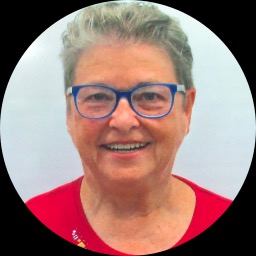
Susan Cockrell is a Licensed Clinical Social Worker (LCSW) practicing in Arizona with five years of experience. She works with adults on common life stresses such as anxiety, depression, relationship problems, addiction, grief, and ADHD. She also supports people dealing with career strain, caregiver stress, and issues linked to illness and disability.
Susan uses practical, evidence-based methods to help people build skills for daily life. She draws on Acceptance and Commitment Therapy (ACT) to help clarify values and take small committed actions. Cognitive Behavioral Therapy (CBT) is used to identify unhelpful thinking and develop clearer routines. She also uses Client-Centered Therapy and Dialectical Behavior Therapy (DBT) tools when they fit a person’s needs.
Sessions are straightforward and focused on real problems. Susan helps clients break big tasks into manageable steps, improve communication, and reduce overwhelm. She pays attention to the effects of trauma, grief, and chronic stress and works at a pace the client prefers.
Her background includes work with people from the LGBT community, those facing addiction, and caregivers under long-term strain. She brings experience supporting issues like body image, blended family dynamics, and first responder challenges. Her practice aims to make daily demands easier to manage.
People who choose her can expect clear goal-setting and practical homework between meetings. The emphasis is on skills that improve organization, follow-through, and stress management. To begin, readers should use the site’s matching tool to find the right session time and approach.
Therapeutic approaches used in remote sessions
Acceptance and Commitment Therapy (ACT) helps clarify what matters most and encourages small actions that match those values. It can be useful for people who struggle with avoidance, low motivation, or getting sidetracked from goals.Cognitive Behavioral Therapy (CBT) focuses on practical skills to notice unhelpful thoughts and change behaviors. It often targets routines, time management, and strategies to reduce anxiety and improve follow-through.
Finding the right approach is part of the process. The therapist will work collaboratively with the client to identify which methods fit best based on goals, daily demands, and personal preferences. That plan can be adjusted as sessions progress.
Confirm the current session options before booking, since the profile does not list specific formats. Online work can make it easier to fit brief check-ins into a busy schedule, use screen-shared worksheets during a conversation, or avoid travel time on workdays. Discussing practical needs up front helps pick session lengths and tools that match everyday routines.
Areas of expertise
Primary focus
Also works with
Additional focus areas
Therapeutic approaches
Experience
5+ years
Credentials
Texas, Arizona
Languages
English
Frequently asked questions
What concerns does she address?
Susan works with anxiety, depression, addiction, relationship problems, grief, ADHD, and related life stresses listed on her profile.
What is her therapeutic style?
She combines practical, skills-based approaches like ACT and CBT with client-centered listening and DBT tools when useful.
How much experience does she have?
She has five years of clinical experience as an LCSW practicing in Arizona.
What credentials and region are listed?
She is a Licensed Clinical Social Worker (LCSW) with licensure noted in Arizona; her practice is based in Arizona.
Which languages are supported?
Sessions are offered in English.
Does she work with international clients?
International clients are not currently accepted.
How are sessions scheduled and paid for?
Costs vary by location and services use a subscription model that can be canceled at any time.
How do I start a first session?
Use the See online therapy options button, complete the short matching questionnaire, and then schedule a first session.
Before you reach out
A profile shows the concerns a counselor lists; it is not a diagnosis, an ADHD assessment or a promise of results. Questions about evaluation or medication belong with a doctor or other prescriber. If you feel unsafe right now, call or text 988, or call 911.