- ACT
- Client-centered
- DBT informed
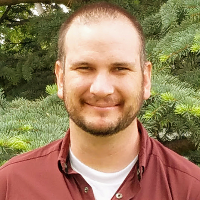
About Stephen
Stephen Bunnell is a Licensed Clinical Social Worker (LCSW) with 6 years of clinical experience practicing in Idaho. He works with adults facing stress, anxiety, addictions, relationship strain, depression, grief, anger, career concerns, bipolar disorder, and ADHD. He also supports people dealing with parenting, caregiver stress, and the effects of trauma and abuse.
Stephen uses straightforward conversation to help people notice what matters to them and take small, practical steps forward. He leans on approaches like Acceptance and Commitment Therapy, client-centered work, and Dialectical Behavior Therapy to shape sessions. Conversations focus on current problems, values, and what is getting in the way of follow-through.
Before moving to Idaho he worked in Utah, Kentucky, and Indiana in settings that included services for people affected by homelessness, addiction, and rural life. That background informs a practical approach to everyday barriers such as scheduling, motivation, and systems stress.
In session Stephen aims to uncover strengths and values clients already have and then use them to guide decisions and behavior. He pays attention to patterns that keep someone stuck, like impulsivity or avoidance, and practices concrete skills to change them.
People who value clear steps, direct discussion, and a focus on what they want to accomplish often find this approach helpful. To begin, readers can use the site button to view online therapy options, complete a short matching questionnaire, and schedule a first session.
How his approaches translate to online work
Acceptance and Commitment Therapy (ACT) helps people clarify what matters to them and build small habits that reflect those values. It can be useful for focus problems, motivation, and living with difficult thoughts or feelings. Client-Centered Therapy emphasizes listening and responding from the client's point of view to help people feel understood and make their own choices. Dialectical Behavior Therapy (DBT) offers specific skills for managing intense emotions, impulsivity, and improving interpersonal effectiveness.Finding the right approach is part of the work. Stephen will collaborate with each person to identify which methods fit their goals and preferences. He combines skill practice, values work, and direct problem-solving so sessions stay practical and focused on real-life tasks.
Confirm the current session formats before booking since formats were not specified in the biography. Online sessions can make fitting therapy into a busy day easier by reducing travel time, allowing shorter check-ins when needed, and offering options that match bandwidth or camera preferences. Licensed professionals can use the online setting to practice skills, review progress, and plan concrete steps that carry into daily routines.
Areas of expertise
Primary focus
Also works with
Additional focus areas
Therapeutic approaches
Experience
6+ years
Credentials
Idaho, Utah, Washington, Arizona
Languages
English
Frequently asked questions
What issues does he work with?
He works with stress, anxiety, addictions, relationship problems, depression, grief, parenting concerns, bipolar disorder, and ADHD among other issues.
What is his therapeutic style?
He uses practical, conversational sessions that draw on Acceptance and Commitment Therapy, client-centered methods, and Dialectical Behavior Therapy techniques.
How much clinical experience does he have?
He has 6 years of experience in the mental health field, including work across multiple states and settings.
What are his credentials and location?
He is a Licensed Clinical Social Worker (LCSW) practicing in Idaho with licensure in AZ LCSW and UT LCSW noted.
Which languages are supported?
Sessions are offered in English only.
Can people outside the U.S. work with him?
International clients are not currently accepted.
How much do sessions cost?
Cost varies with location and sessions use a subscription model that can be canceled at any time.
How do I get started?
Click the See online therapy options button, complete a short matching questionnaire, and schedule a first session.
Before you reach out
A profile shows the concerns a counselor lists; it is not a diagnosis, an ADHD assessment or a promise of results. Questions about evaluation or medication belong with a doctor or other prescriber. If you feel unsafe right now, call or text 988, or call 911.