- Cognitive Behavioral Therapy
- Dialectical Behavior Therapy
- Motivational Interviewing
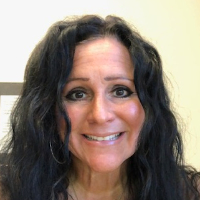
About Stephanie
Stephanie Safos-Moriarty is a Florida LMHC with 11 years of clinical experience. She works with people facing stress, anxiety, depression, addictions, relationship concerns, trauma and abuse, grief, parenting strain, and ADHD among other issues. She also supports clients dealing with intimacy questions, eating and sleeping problems, anger, self-esteem, career shifts, bipolar symptoms, compassion fatigue, and coaching needs.
She uses practical therapies to help clients clarify problems and build skills. Cognitive Behavioral Therapy (CBT) is a common tool in her work, along with Dialectical Behavior Therapy (DBT) and Motivational Interviewing when those fit a person's goals. She also draws on solution-focused strategies to sharpen concrete next steps.
Sessions focus on what is getting in the way day to day. Stephanie helps people break larger problems into short, manageable steps. She works on strategies for organization, follow-through, coping with stress, and improving relationships. Conversations include skill practice and planning that can be used between meetings.
Her background includes a mix of individual counseling and work with people affected by trauma, substance use, domestic abuse, and LGBTQ concerns. Over the last decade she has combined behavioral approaches with motivational techniques to increase engagement and progress.
People who reach out can expect direct, practical conversations aimed at improving functioning and reducing distress. Before booking, anyone interested should confirm current session formats and scheduling details.
Therapeutic approaches and how online sessions work
This therapist commonly uses Cognitive Behavioral Therapy and Dialectical Behavior Therapy in her work. CBT focuses on identifying unhelpful thoughts and changing behaviors to reduce symptoms and improve day-to-day functioning. DBT emphasizes building skills for emotion regulation, distress tolerance, and interpersonal effectiveness, which can be helpful when strong emotions get in the way of goals.Finding the right approach is collaborative. The therapist will discuss goals, preferences, and practical needs to select methods that fit. Together they review what is helping, what is not, and adjust techniques as progress is made.
The biography does not list specific online session formats, so confirm current options before booking. Online work can make it easier to fit sessions into a busy week, allow for shorter check-ins when needed, and reduce travel time. It can also help people practice skills in real-life settings and bring in examples from home, work, or study situations during sessions.
Areas of expertise
Primary focus
Also works with
Therapeutic approaches
Experience
11+ years
Credentials
Florida
Languages
English
Frequently asked questions
What concerns does she address?
She works with stress, anxiety, depression, addictions, trauma and abuse, grief, relationship and intimacy issues, ADHD, and related concerns listed in her profile.
What approaches does she use in sessions?
Her practice uses Cognitive Behavioral Therapy, Dialectical Behavior Therapy, Motivational Interviewing, and Solution-Focused Therapy depending on the client's needs.
How much experience does she have?
She has 11 years of experience as a clinician working with a range of concerns including trauma, substance-related issues, and mood disorders.
What credential does she hold and where is she based?
She is a Florida LMHC and practices in Florida.
Does she offer sessions in other languages or to international clients?
Sessions are offered in English and she is not currently accepting international clients.
What session formats are used?
The biography does not specify session formats; please confirm current session options before booking.
How are fees and billing handled?
Cost varies with location and sessions use a subscription that can be canceled at any time.
How do I begin working with her?
Use the See online therapy options button, complete the short matching questionnaire, and schedule a first session.
Before you reach out
A profile shows the concerns a counselor lists; it is not a diagnosis, an ADHD assessment or a promise of results. Questions about evaluation or medication belong with a doctor or other prescriber. If you feel unsafe right now, call or text 988, or call 911.