- CBT methods
- DBT skills
- EMDR when appropriate
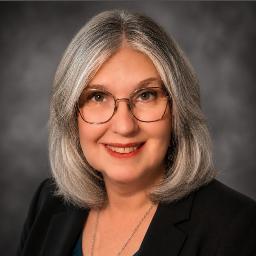
About Sharon
Sharon Link is a Licensed Clinical Social Worker (LCSW) practicing in Missouri with 25 years of experience. She works with people facing stress, anxiety, depression, bipolar disorder, addictions, relationship and parenting concerns, trauma and abuse, and ADHD. Sharon also supports those coping with grief, sleep and eating problems, anger, and chronic illness.
Sharon uses practical, skills-based work in sessions. She helps clients learn tools that make daily life easier. Meetings focus on specific problems like follow-through, mood swings, or managing cravings. The therapist treats adults and has experience with adolescents and children as noted in her background.
Her approach mixes Client-Centered Therapy with Cognitive Behavioral Therapy and Dialectical Behavior Therapy. She also integrates EMDR and Jungian ideas when those methods fit a person's goals. Sessions often include exercises, homework, and real-world strategies aimed at behavior change and symptom management.
Sharon aims to teach techniques that people can apply between sessions. That can mean planning small routines, practicing grounding or mindfulness, or rehearsing communication skills. She frames clients as the decision makers while offering tools and guidance to reach their goals.
She has long experience treating addictions, including gambling issues, and working with people who have experienced physical or emotional trauma. For anyone wanting straightforward, skills-focused help for attention and self-regulation challenges, Sharon offers an experienced, practical clinical perspective.
Approaches used in remote sessions
Client-Centered Therapy focuses on listening and supporting the client's own goals, helping people identify what matters and decide next steps. Cognitive Behavioral Therapy (CBT) breaks problems into thoughts, feelings, and actions and uses practical exercises to change unhelpful patterns. Dialectical Behavior Therapy (DBT) teaches concrete skills for emotion regulation, distress tolerance, and better interpersonal effectiveness.Choosing the right method is part of the work. Sharon will collaborate with each person to match approaches to their needs, goals, and preferences rather than prescribing a single path. That means trying tools, checking what helps, and adjusting the plan together.
Confirm specific session formats before booking since the profile does not list them. Online options can make it easier to fit sessions around work, school, or caregiving by removing travel time and allowing shorter check-ins when needed. They also let people use exercises and skill practice in the same environments where challenges happen, which can make learning more practical and immediately useful.
Areas of expertise
Primary focus
Also works with
Additional focus areas
Therapeutic approaches
Experience
25+ years
Credentials
Missouri, Wyoming
Languages
English
Frequently asked questions
What concerns does she address?
She works with stress, anxiety, depression, bipolar disorder, addictions, trauma and abuse, relationship and parenting issues, and ADHD among other concerns.
What is her therapeutic style?
Sharon uses a practical, interactive style and focuses on teaching tools clients can use between sessions.
How much clinical experience does she have?
She has 25 years of experience as a clinical social worker.
What credentials and location are listed?
She is an LCSW licensed in Missouri and the profile lists Missouri as her location.
Are sessions offered in other languages or internationally?
Sessions are offered in English and international clients are accepted.
What session formats are available?
Please confirm current session formats before booking as the profile does not specify particular formats.
How are sessions priced?
Cost varies with location and sessions use a subscription that can be canceled at any time.
How do I begin working with her?
Select the See online therapy options button, complete a short matching questionnaire, and schedule a first session.
Before you reach out
A profile shows the concerns a counselor lists; it is not a diagnosis, an ADHD assessment or a promise of results. Questions about evaluation or medication belong with a doctor or other prescriber. If you feel unsafe right now, call or text 988, or call 911.