- CBT
- DBT skills
- Mindfulness
About Shaiuana
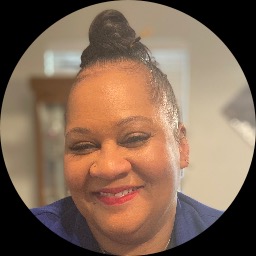
Shaiuana Okoro is a Licensed Professional Counselor (LPC) in Texas with five years of clinical experience. She works with people facing stress, anxiety, depression, substance use concerns, relationship struggles, and ADHD. She also addresses LGBTQ issues, grief, self-esteem, and career questions.
Okoro focuses on straightforward conversations about what is causing distress and what gets in the way of daily functioning. She uses practical tools drawn from cognitive behavioral therapy, dialectical behavior therapy, and mindfulness to help clients notice patterns and test new ways of responding. Acceptance and Commitment Therapy ideas are used to clarify values and guide action.
Sessions tend to emphasize skills practice and short-term problem-solving alongside deeper exploration when it helps. Clients can expect exercises aimed at improving emotional regulation, setting boundaries, and managing urges related to addiction or intense mood shifts. There is attention to communication skills around relationship and intimacy concerns.
Okoro also supports people dealing with shame, guilt, isolation, and the aftermath of trauma or sexual assault. She works with mood-related conditions such as bipolar presentations and social anxiety, helping people build coping strategies they can use day to day.
Her approach blends client-centered listening with active teaching of techniques. She asks about what matters to each person and helps them set small, practical goals. To begin, clients use the site's matching flow and schedule a first session.
How her approaches translate to online sessions
Acceptance and Commitment Therapy (ACT) helps people notice their thoughts and pick actions that fit their values. It is useful when someone wants clearer priorities and steady habits rather than getting stuck in worry. Cognitive Behavioral Therapy (CBT) focuses on practical skills to change unhelpful thinking and behavior. CBT is often used for anxiety, depression, and for building routines around attention and follow-through. Mindfulness Therapy teaches simple attention and breathing practices to reduce reactivity and improve focus during everyday tasks. Finding the right approach is part of the work. The therapist will collaborate with each person to decide which methods fit their goals and preferences. That may mean practicing skills one week and working on values-based steps the next. The plan can change as needs become clearer. Confirm the current session options before booking, since the biography does not list specific formats. Online sessions can make it easier to fit therapy into a busy schedule by removing commute time and allowing shorter check-ins when needed. They also let people practice skills in real-life settings and bring examples directly from daily routines to session conversations.Areas of expertise
Primary focus
Also works with
Additional focus areas
Therapeutic approaches
Experience
5+ years
Credentials
Texas
Languages
English
Frequently asked questions
What issues does she help with?
She helps people with stress, anxiety, depression, addictions, relationship and intimacy concerns, and ADHD among other areas.
What therapy styles does she use?
Her work draws on Acceptance and Commitment Therapy, Client-Centered Therapy, Cognitive Behavioral Therapy, Dialectical Behavior Therapy, and Mindfulness Therapy.
How much experience does she have?
She has five years of professional experience as a counselor in clinical settings.
What are her credentials and location?
She holds the LPC credential and practices in Texas.
Which languages are supported?
Sessions are offered in English.
Can people from other countries work with her?
She is not currently accepting international clients.
How are sessions scheduled and what do they cost?
Cost varies with location and sessions use a subscription that can be canceled at any time.
How do I start a session with her?
Start by selecting the See online therapy options button, completing a short matching questionnaire, and scheduling a first session.
Before you reach out
A profile shows the concerns a counselor lists; it is not a diagnosis, an ADHD assessment or a promise of results. Questions about evaluation or medication belong with a doctor or other prescriber. If you feel unsafe right now, call or text 988, or call 911.