- CBT techniques
- DBT skills
- Mindfulness practice
About Scott
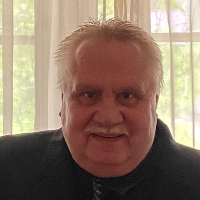
Scott Heise is an Illinois Licensed Clinical Professional Counselor (LCPC) with 14 years of experience. He works with adults on concerns such as stress, anxiety, depression, addictions, trauma, grief, sleep problems, parenting strain, anger, self-esteem, career stress, bipolar mood concerns, and ADHD.
Heise trained in counseling psychology and has worked in community mental health settings. He draws on client-centered methods to build practical, goal-focused plans. Sessions tend to focus on what a person wants to change and steps to get there.
He often uses Cognitive Behavioral Therapy to identify unhelpful thinking and test new behaviors. He also uses Dialectical Behavior Therapy skills for emotion regulation and mindfulness practices to increase present-moment attention. Motivational Interviewing is part of how he helps people find personal reasons to make changes.
Scott can include faith-based conversation when that fits a person's preferences. He uses plain language in sessions and will mix practical strategies, homework, and skill practice rather than long theoretical talks.
People who reach out can expect a direct, steady approach. Sessions usually include setting clear goals, practicing new skills, and checking progress. He focuses on helping clients build routines and strategies for follow-through and organization.
How his approaches translate to online sessions
Client-Centered Therapy focuses on listening and reflecting back a person’s concerns. Online sessions using this approach prioritize what the client wants to change and build clear goals together. Cognitive Behavioral Therapy (CBT) breaks problems into thoughts, feelings, and actions and uses simple exercises and homework to test new responses. CBT is useful for anxiety, mood challenges, and problems with follow-through. Dialectical Behavior Therapy (DBT) teaches practical skills for managing intense emotions and improving focus and routine. DBT skills can help with stress, anger, and impulse control.Finding the right approach is part of the process. Scott will work with each person to decide which methods fit their needs, goals, and preferences. That means trying strategies, checking results, and adjusting plans together rather than sticking to one fixed method.
Specific session formats were not listed in the profile, so confirm current options before booking. Many people find online sessions helpful because they fit more easily into daily schedules, allow shorter check-ins when needed, and remove travel time. Others prefer longer sessions for focused skill practice. He will discuss session length and pace so therapy can fit into a client’s routine.
Areas of expertise
Primary focus
Also works with
Additional focus areas
Therapeutic approaches
Experience
14+ years
Credentials
Illinois
Languages
English
Frequently asked questions
What types of concerns does he address?
He works with stress, anxiety, depression, addictions, trauma, grief, sleep issues, parenting strain, anger, self-esteem, career problems, bipolar concerns, and ADHD, among other life challenges.
What is his therapeutic style?
He uses a client-centered, goal-focused style with practical skill-building, homework, and regular progress checks.
How much experience does he have?
He has 14 years of clinical experience, including work in community mental health settings and many adult-focused cases.
What are his credentials and where is he located?
He is an Illinois LCPC and practices in Illinois.
Does he work in other languages or with international clients?
Sessions are offered in English and international clients are not currently accepted.
Which session formats are offered?
Please confirm current session options before booking, as specific formats are not listed in the profile.
How does cost work for sessions?
Cost varies with location and sessions use a subscription that can be canceled at any time.
How do I begin working with him?
Select the See online therapy options button, complete a short matching questionnaire, and schedule your first session.
Before you reach out
A profile shows the concerns a counselor lists; it is not a diagnosis, an ADHD assessment or a promise of results. Questions about evaluation or medication belong with a doctor or other prescriber. If you feel unsafe right now, call or text 988, or call 911.