- ACT and CBT methods
- Practical skill building
- School and community experience
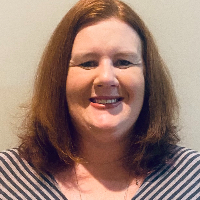
About Sarah
Sarah Edinger is a Licensed Clinical Social Worker (LCSW) with 21 years of experience based in Mississippi. She helps people manage stress, anxiety, parenting and family concerns, anger, depression, grief, relationship problems, and ADHD-related challenges. Sarah prefers plain language and practical work rather than clinical jargon, and she says people do not need a formal diagnosis to get value from sessions.
She uses an integrated approach that draws on Acceptance and Commitment Therapy (ACT), Cognitive Behavioral Therapy (CBT), Client-Centered Therapy, and Solution-Focused Therapy. In practice this can mean learning new behavior strategies, testing small changes, and noticing what matters most in day-to-day life. Sarah often focuses on concrete steps people can try between sessions.
Her background includes work in schools, community mental health, and independent practice settings. That mix shapes her practical style and understanding of everyday stressors parents and adults face. She also coordinates with other trauma clinicians when cases need more intensive trauma processing.
Sessions tend to avoid clinical labels and instead prioritize figuring out what is getting in the way of routines, focus, and follow-through. Sarah uses straightforward conversation, education when helpful, and occasional structured exercises from CBT and ACT to build coping skills. She values the working relationship with each person as key to progress.
People reach out for help with mood disorders, panic, grief, caregiver stress, and identity issues like emptiness or low self-esteem. She also supports people coping with adoption and foster care matters, communication breakdowns, and family of origin problems.
How her approaches translate to online work
Sarah often uses Acceptance and Commitment Therapy and Cognitive Behavioral Therapy in her work. ACT helps people clarify values and take action toward what matters, often useful for motivation and follow-through. CBT focuses on identifying unhelpful thoughts and practicing small behavior changes to improve routines and reduce anxiety.Finding the right approach is collaborative. She will work with each person to see which methods fit their goals, needs, and preferences. That may mean mixing ACT, CBT, and solution-focused tasks and adjusting the plan over time based on what is helpful.
Confirm current session options before booking because specific formats are not listed in the biography. Online work can make it easier to fit sessions into busy days, shorten a check-in when time is tight, or avoid travel. Many people find that remote sessions let them try skills at home and then talk about what did or did not work. The therapist and client decide together how to structure sessions so they fit everyday life.
Areas of expertise
Primary focus
Also works with
Additional focus areas
Therapeutic approaches
Experience
21+ years
Credentials
Mississippi, Tennessee
Languages
English
Frequently asked questions
What concerns does she address?
She works with stress, anxiety, depression, grief, relationship issues, ADHD, parenting and family-related concerns among other areas.
What is her therapeutic style?
She uses plain language, practical steps, and a collaborative tone. Sessions focus on behavior strategies, short experiments, and problem solving.
How much experience does she have?
She has 21 years of experience, including work in schools, community mental health, and independent practice settings.
What are her credentials and location?
She is a Licensed Clinical Social Worker (LCSW) licensed in Tennessee and practices out of Mississippi.
Which languages can sessions be held in?
Sessions are offered in English.
Does she work with international clients?
She is not currently accepting international clients.
How does payment and cost work?
Cost varies by location and sessions use a subscription model that can be canceled at any time.
How do I start a first session?
Click the See online therapy options button, complete a short matching questionnaire, and schedule your first session.
Before you reach out
A profile shows the concerns a counselor lists; it is not a diagnosis, an ADHD assessment or a promise of results. Questions about evaluation or medication belong with a doctor or other prescriber. If you feel unsafe right now, call or text 988, or call 911.