- CBT techniques
- Mindfulness practices
- Motivational interviewing
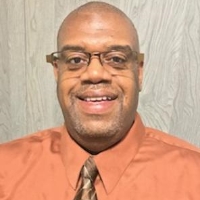
About Rodney
Rodney Carson is a Licensed Clinical Social Worker (LCSW) practicing in Pennsylvania with 20 years of experience. He works with people dealing with stress, anxiety, addictions, depression, ADHD, anger, and issues around self-esteem and relationships. He also supports concerns related to grief, trauma and abuse, sleep and eating difficulties, and career or parenting strain.
Rodney draws on his long recovery experience to guide practical steps in sessions. He uses straightforward conversation to identify problems and small, concrete changes clients can try between meetings. His background includes many years as an outpatient drug, alcohol, and mental health therapist at a community counseling agency.
Clients can expect a direct, motivational style that focuses on what helps now. He has developed a therapeutic medication game/program used in outpatient facilities, hospitals, nursing schools, and some correctional settings. That work reflects an interest in hands-on tools that support learning and habit change.
He combines client-centered approaches with Cognitive Behavioral Therapy, mindfulness practices, motivational interviewing, and solution-focused techniques. Sessions tend to focus on clear goals, practical coping strategies, and building routines that improve day-to-day functioning.
Rodney also participates in his faith community and teaches adult education there. He notes his recovery and ongoing program attendance inform his perspective. To start, prospective clients should confirm session options and booking steps before scheduling.
Therapeutic approaches and online sessions
Rodney uses Cognitive Behavioral Therapy to help people spot unhelpful thinking and change behaviors that get in the way of daily functioning. CBT is practical and goal-focused, often used for anxiety, depression, and attention or routine problems.He also uses Client-Centered Therapy, which centers the conversation on the person’s priorities and pacing. That approach supports clearer self-direction and helps identify what matters most when motivation is low.
Finding the right approach is part of the work. He will collaborate with each person to decide which techniques fit their needs and goals. That means trying strategies, checking what helps, and adjusting the plan together.
Session formats are not specified in the biography, so confirm current online options before booking. Many people choose virtual sessions because they fit into work or family schedules, make it easier to keep appointments, or allow shorter check-ins when time is limited. Discussing preferred formats early helps match practical constraints with therapeutic goals.
Areas of expertise
Primary focus
Also works with
Additional focus areas
Therapeutic approaches
Experience
20+ years
Credentials
Pennsylvania
Languages
English
Frequently asked questions
What concerns does he help with?
He helps people with stress, anxiety, addictions, depression, ADHD, anger, and low self-esteem, plus related issues like grief, trauma, sleep, and career stress.
What is his therapeutic style?
He uses a direct, motivational approach focused on practical steps and short-term goals. Sessions emphasize concrete strategies people can try between meetings.
How much experience does he have?
He has 20 years of experience in counseling and social work, including a decade as an outpatient drug, alcohol, and mental health therapist.
What credentials and region are listed?
He is a Licensed Clinical Social Worker (LCSW) in Pennsylvania.
Which languages are used in sessions?
Sessions are offered in English only.
Can international clients book with him?
He is not accepting international clients at this time.
How are fees and payments handled?
Cost varies with location and sessions use a subscription that can be canceled at any time; prospective clients should confirm fee details before booking.
How do I begin working with him?
Select the See online therapy options button, complete a short matching questionnaire, and then schedule your first session.
Before you reach out
A profile shows the concerns a counselor lists; it is not a diagnosis, an ADHD assessment or a promise of results. Questions about evaluation or medication belong with a doctor or other prescriber. If you feel unsafe right now, call or text 988, or call 911.