- Cognitive Behavioral Therapy
- EMDR for trauma
- First responder support
About Robert
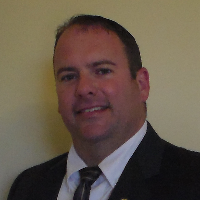
Dr. Robert Cipriano Jr is a California Psychologist (CA Psychologist 32975) and North Carolina Psychologist (NC Psychologist 5348) with 20 years of experience. He works in Florida and focuses on stress, anxiety, addictions, trauma, grief, relationship and family concerns, and ADHD among other issues.
He primarily uses Cognitive Behavioral Therapy (CBT) in his clinical work. More recently he has incorporated Eye Movement Desensitization and Reprocessing (EMDR) for people dealing with trauma-related symptoms. Sessions typically include practical strategies to manage symptoms and hands-on techniques that people can try between visits.
Dr. Cipriano has provided services in trauma-intensive hospital settings and inpatient behavioral health units. He has run many critical incident stress debriefings for staff and has supported first responders and public safety professionals through crisis events. That background informs how he approaches high-stress and emergency-related concerns.
He has worked directly with a large metropolitan police department as an in-house psychologist assigned to a crisis negotiation team, providing assessment, consultation, and on-scene support in high-stakes situations. He also supervises psychological services programs for public safety agencies and has developed wellness programming for sworn and civilian staff.
In addition to clinical work, he offers training on active shooter dynamics, school violence, and bullying prevention. People reach out to him for clinical care, training, and program development related to trauma, crisis response, and ongoing stress management.
How CBT and EMDR translate to online work
CBT focuses on the links between thoughts, behaviors, and mood and uses practical exercises and skill practice. Online CBT sessions often center on setting clear goals, trying behavioral experiments, and reviewing homework between meetings.EMDR is used to reduce the emotional impact of traumatic memories by guiding attention while recalling distressing events. Delivered remotely, EMDR sessions follow a paced approach that adapts movement or bilateral stimulation techniques to the online setting and targets trauma-related symptoms.
Choosing the right approach is a collaborative process. The therapist will discuss goals, preferences, and how symptoms show up day to day to decide whether CBT, EMDR, or a mix is most helpful. Clients and the therapist check in together and adjust methods based on progress and comfort.
The practical benefits of online work include fitting sessions into a busy week, having shorter check-ins when needed, and avoiding travel time. The profile does not specify session formats, so confirm current options before booking. Online visits can make it easier to continue care around work or family commitments without promising a particular service format.
Areas of expertise
Primary focus
Also works with
Additional focus areas
Therapeutic approaches
Experience
20+ years
Credentials
Florida, North Carolina, California
Languages
English
Frequently asked questions
What concerns does he help with?
He works with stress, anxiety, addictions, depression, trauma and abuse, grief, relationship and family issues, ADHD, and related concerns listed in his profile.
What therapeutic approaches does he use?
He primarily practices Cognitive Behavioral Therapy (CBT) and has added Eye Movement Desensitization and Reprocessing (EMDR) for trauma symptoms.
How much clinical experience does he have?
He has 20 years of professional experience working in hospital, public safety, and community settings.
Which credentials and location are listed?
He is listed as CA Psychologist 32975 and NC Psychologist 5348 and practices in Florida.
Does he offer sessions in other languages?
Sessions are offered in English.
Can international clients work with him?
International clients are not currently accepted.
How are sessions billed?
Cost varies with location and sessions use a subscription that can be canceled at any time.
How do I begin working with him?
Select the See online therapy options button, complete a short matching questionnaire, and schedule a first session.
Before you reach out
A profile shows the concerns a counselor lists; it is not a diagnosis, an ADHD assessment or a promise of results. Questions about evaluation or medication belong with a doctor or other prescriber. If you feel unsafe right now, call or text 988, or call 911.