- CBT methods
- Psychodynamic work
- Solution-focused steps
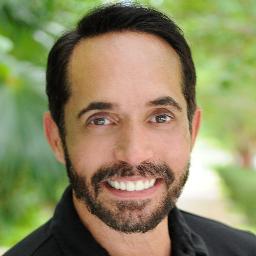
About Robert
Dr. Robert Rosenson is a Florida-licensed mental health counselor (LMHC) with 23 years of clinical experience. He works with adults on problems such as stress, anxiety, depression, relationship and intimacy concerns, grief, trauma and abuse, parenting, anger, self-esteem, career stress, and ADHD. He also supports people facing issues like addiction patterns, commitment struggles, and complications from separation or infidelity.
He favors an approach that keeps the client’s perspective central. Sessions focus on practical strategies the client can use day to day. He avoids simply giving advice and instead helps people test ideas that feel realistic for them.
Dr. Rosenson draws on cognitive behavioral ideas to address unhelpful thinking and behavior. He also uses psychodynamic thinking to look at long-standing patterns. Client-Centered Therapy is used to keep conversations focused on the client’s priorities. Solution-Focused methods are applied when the goal is quick, concrete change.
In sessions he will work collaboratively to set goals and try small experiments. That might include tracking patterns between thoughts and actions, practicing new ways to handle conflict, or planning step-by-step tasks to improve organization and follow-through. He helps clients weigh what works and what needs adjusting.
People often come to him for help managing life transitions, relationship pain, or the frustration of not following through. He offers clear, practical guidance and supports clients as they practice new habits and strategies.
How his approaches translate to online work
Dr. Rosenson commonly uses Cognitive Behavioral Therapy and Client-Centered Therapy in his practice. CBT looks at the links between thoughts, feelings and actions and helps people test new behaviors to reduce anxiety or improve task follow-through. Client-Centered Therapy focuses sessions on the client’s priorities and uses the clinician’s responses to clarify goals and options.Finding the right approach is part of early work together. He will discuss goals and preferences with each client and recommend ways of working that match those needs. That conversation is collaborative and can change as work progresses.
Specific session formats are not listed in the biography, so confirm current options before booking. Online work can make it easier to fit sessions into a busy week, allow shorter check-ins when needed, and reduce the time spent traveling. It also makes it possible to try practical skill-building exercises and homework between meetings, which supports steady progress without promising a particular outcome.
Areas of expertise
Primary focus
Also works with
Additional focus areas
Therapeutic approaches
Experience
23+ years
Credentials
Florida
Languages
English
Frequently asked questions
What concerns does he work with?
He works with stress, anxiety, depression, trauma and abuse, relationship and intimacy issues, grief, parenting, anger, self-esteem, career challenges, and ADHD among other concerns.
What is his general therapeutic style?
He uses a collaborative, client-centered style that focuses on practical strategies. He helps clients try small, realistic changes rather than giving one-size-fits-all advice.
How much experience does he have?
He has 23 years of experience as a clinician working with a wide range of emotional and interpersonal problems.
What are his credentials and where is he based?
He is a Florida LMHC and practices in Florida.
Which languages are supported?
Sessions are offered in English.
Can people outside the United States work with him?
International clients are not accepted at this time.
What session formats are offered?
Please confirm current session options before booking, as specific formats are not listed in the biography.
How are fees and subscriptions handled?
Cost varies with location and sessions are provided through a subscription model that can be canceled at any time.
Before you reach out
A profile shows the concerns a counselor lists; it is not a diagnosis, an ADHD assessment or a promise of results. Questions about evaluation or medication belong with a doctor or other prescriber. If you feel unsafe right now, call or text 988, or call 911.