- CBT
- ACT
- DBT skills
About Rainey
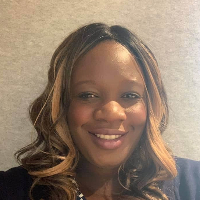
Rainey Boateng is a Licensed Clinical Social Worker (LCSW) in Utah with 20 years of experience. She works with people dealing with stress, anxiety, addictions, trauma and abuse, low self-esteem, depression, and ADHD among other concerns. She also supports those facing career strain, caregiver stress, and major life changes.
Rainey uses practical, talk-based work in sessions. She focuses on clear skills people can use between meetings. She draws on cognitive behavioral ideas to spot unhelpful thinking and on acceptance-based approaches to help with painful emotions.
Her background includes many clinical settings and a long history of working with adults and older adults. That experience informs how she balances short-term problem solving with deeper emotional work. Sessions often include discussion, skill practice, and checking what feels helpful.
Rainey also uses attachment-based ideas to look at how relationships shape coping and emotional responses. Dialectical behavior strategies appear when people need tools for managing strong emotions and improving daily routines. The result is a mix of approaches aimed at reducing overwhelm and improving day-to-day functioning.
She believes in working collaboratively to set goals and pick practical steps toward them. People who choose her work on issues like substance use, relationship difficulties, parenting strain, and life transitions, with steady attention to what they can do between sessions.
How her approaches translate to online work
Acceptance and Commitment Therapy (ACT) helps people notice unhelpful thoughts and learn to act toward their values even when emotions are uncomfortable. It is useful for anxiety, stress, and motivation struggles. Cognitive Behavioral Therapy (CBT) focuses on identifying thought patterns and practicing new behaviors to improve mood and daily functioning. It is often used for anxiety, depression, and problems with organization and follow-through. Dialectical Behavior Therapy (DBT) provides concrete skills for emotion regulation, distress tolerance, and interpersonal effectiveness, which can help when feelings feel overwhelming.Choosing the right approach is part of the work. The therapist and client talk about goals and try methods that fit the person's needs and preferences. This collaborative process helps decide whether to focus on thoughts, acceptance and values, attachment patterns, or practical skills.
The original biography did not list specific session formats, so confirm current online options before booking. Online work can make it easier to fit sessions into a busy life, reduce travel time, and allow shorter check-ins when needed. It can also let people use video or audio depending on what works best for them. Licensed professionals adapt techniques like CBT worksheets, ACT exercises, and DBT skills training for remote sessions to keep sessions focused and practical.
Areas of expertise
Also works with
Additional focus areas
Therapeutic approaches
Experience
20+ years
Credentials
Utah
Languages
English
Frequently asked questions
What kinds of concerns does she focus on?
She works with stress, anxiety, addictions, trauma and abuse, low self-esteem, depression, ADHD, and related issues such as caregiver stress and career concerns.
What approaches does she use in sessions?
Rainey uses Acceptance and Commitment Therapy, Cognitive Behavioral Therapy, Attachment-Based ideas, Client-Centered methods, and Dialectical Behavior Therapy techniques depending on the client's needs.
How much clinical experience does she have?
She has 20 years of professional experience as a social worker and LCSW, with work across a variety of clinical settings.
Where is she licensed and practicing?
She holds a Utah LCSW credential and practices from Utah.
Which languages are supported?
Sessions are offered in English, and she accepts international clients as noted.
What session formats are available?
The original biography did not specify session formats. Please confirm current session options before booking.
How is cost handled?
Cost varies with location; sessions use a subscription that can be canceled at any time.
How do I get started?
Select the See online therapy options button, complete the short matching questionnaire, and schedule a first session.
Before you reach out
A profile shows the concerns a counselor lists; it is not a diagnosis, an ADHD assessment or a promise of results. Questions about evaluation or medication belong with a doctor or other prescriber. If you feel unsafe right now, call or text 988, or call 911.