- Client-Centered Therapy
- Cognitive Behavioral Therapy
- Mindfulness techniques
About Rachel
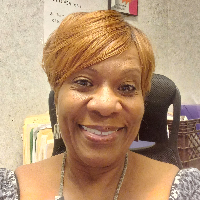
Rachel Palmore is an Alabama licensed professional counselor (LPC) with 20 years of experience. She lists stress, anxiety, grief, self-esteem, depression, relationship concerns, trauma and abuse, intimacy-related issues, parenting, anger, career challenges, bipolar, coping with life changes, coaching, compassion fatigue, and ADHD among the concerns she addresses.
She practices in a client-centered way and uses several practical methods. Rachel blends client-centered therapy with cognitive behavioral techniques to help people notice patterns and try new behaviors. She also uses emotionally-focused work and mindfulness strategies to help people identify feelings and calm stress in the moment.
Rachel aims to be direct and objective in sessions while encouraging reflection on feelings and personal strengths. She tends to suggest concrete steps clients can test between meetings. Motivational interviewing and solution-focused elements appear in her approach when someone wants clear, short-term goals.
Her background includes nearly two decades working with diverse groups, including women, children, and people who were incarcerated. That range has shaped a flexible way of working and an emphasis on practical problem-solving rather than lengthy theory talks.
People who come for help with ADHD-related focus, organization, and follow-through can expect straightforward tools and strategies alongside conversations about feelings, identity, and life stressors. Prospective clients should confirm the current session formats and scheduling steps before booking.
How her approaches translate to online work
Rachel combines client-centered therapy and cognitive behavioral therapy in ways that translate well to remote sessions. Client-centered work focuses on listening, clarifying concerns, and supporting the person's own priorities. It helps when someone needs a space to sort through feelings and choices. Cognitive behavioral therapy breaks problems into thoughts, feelings, and behaviors and teaches practical techniques to change unhelpful patterns, which can be practiced between sessions. Finding the right approach is a collaborative process. Rachel will talk with each person about their goals, preferences, and what has or hasn't helped before. Together they decide which methods to prioritize and adjust the plan as needed. The practical benefit of online sessions is that they can often fit into busy schedules more easily. Some people find shorter check-ins or sessions outside usual work hours easier to manage. Because the biography does not list specific remote formats, confirm the current session options before booking so you know how meetings are scheduled and delivered.Areas of expertise
Primary focus
Also works with
Additional focus areas
Therapeutic approaches
Experience
20+ years
Credentials
Alabama
Languages
English
Frequently asked questions
What kinds of concerns does she address?
Rachel works with stress, anxiety, grief, self-esteem, depression, relationship and intimacy concerns, trauma and abuse, parenting challenges, anger, career issues, bipolar disorder, coping with life changes, ADHD, and related areas.
What is her therapeutic style?
She uses a client-centered stance combined with cognitive behavioral and emotionally-focused techniques. Sessions tend to focus on practical steps, reflection on feelings, and strategies clients can try between meetings.
How much experience does she have?
Rachel has about 20 years of clinical experience working with a range of populations and presenting issues.
What are her credentials and where is she based?
She holds the LPC credential and practices in Alabama.
Which languages are supported and can international clients join?
Sessions are offered in English. International clients are not currently accepted.
What session formats does she offer?
The biography does not specify session formats; please confirm current options before booking.
How does payment work?
Cost varies with location and sessions use a subscription model that can be canceled at any time.
How do I begin working with her?
Use the See online therapy options button, complete the short matching questionnaire, and schedule a first session.
Before you reach out
A profile shows the concerns a counselor lists; it is not a diagnosis, an ADHD assessment or a promise of results. Questions about evaluation or medication belong with a doctor or other prescriber. If you feel unsafe right now, call or text 988, or call 911.