- Client-Centered Therapy
- CBT techniques
- DBT skills
About Racheal
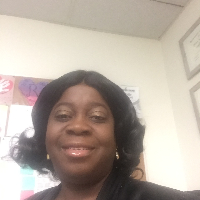
Racheal Adelekan is a Licensed Clinical Social Worker (LCSW) in Nevada with nine years of experience. She helps people handle stress, anxiety, low self-esteem, depression, addiction, grief, relationship and intimacy concerns, eating and sleeping problems, anger, career stress, bipolar symptoms, and ADHD. She also addresses communication difficulties and forgiveness issues.
Racheal uses a client-centered way of working. She listens first to understand a person's situation and goals. Then she chooses practical techniques to try, rather than a one-size-fits-all program.
She draws on cognitive behavioral therapy, which focuses on spotting and changing unhelpful thinking and behavior patterns. She also uses dialectical behavior therapy skills for managing intense emotions and improving interpersonal effectiveness. Motivational interviewing helps when someone feels stuck about change or unsure how to begin.
In sessions she helps clients break big problems into small steps. Conversations focus on clear skills, coping strategies, and short-term goals. She encourages straightforward planning for better organization, follow-through, and day-to-day routines.
Racheal aims to be consistent and respectful in her work. She listens actively and helps people process difficult feelings. She then supports them in practicing new skills between sessions and tracking progress over time.
Therapeutic approaches and working online
Racheal uses cognitive behavioral therapy to help people notice unhelpful thinking and behavior patterns and then replace them with concrete alternatives. CBT can be helpful for issues like anxiety, depression, procrastination, and everyday organization challenges.She also employs dialectical behavior therapy skills to teach emotion regulation, distress tolerance, and better interpersonal communication. DBT skills are often useful when emotions feel overwhelming or when relationship patterns keep repeating.
Finding the right approach is part of the work. Racheal will review your goals and preferences with you and suggest which methods to try first. That decision is collaborative and can change as you see what helps.
Session formats are not specified in the provided profile, so confirm the current online options before booking. Online sessions can make it easier to fit therapy into a busy week, reduce travel time, allow shorter check-ins when needed, and make consistent follow-up more practical. Licensed professionals generally use these advantages to keep momentum and practice skills between meetings.
Areas of expertise
Primary focus
Also works with
Additional focus areas
Therapeutic approaches
Experience
9+ years
Credentials
Nevada
Languages
English
Frequently asked questions
What kinds of problems does she help with?
She works with stress, anxiety, depression, addictions, grief, relationship and intimacy issues, sleep and eating concerns, anger, career problems, bipolar symptoms, ADHD, and related challenges.
How would you describe her therapeutic style?
Her style is client-centered. She listens first, then uses practical techniques such as CBT, DBT skills, and motivational interviewing to address the goals you set together.
How much experience does she have?
She has nine years of experience providing psychotherapy to people with a wide range of concerns.
What are her credentials and where is she based?
She is a Licensed Clinical Social Worker (LCSW) licensed in Nevada and practices in that state.
What languages are sessions available in?
Sessions are offered in English.
Can people outside the U.S. work with her?
International clients are not currently accepted; she works with clients located in Nevada.
How are sessions scheduled and what about format?
Session formats are not specified here; please confirm current session options before booking to know which formats are offered.
How much do sessions cost and how does payment work?
Cost varies with location. Sessions use a subscription that can be canceled at any time.
Before you reach out
A profile shows the concerns a counselor lists; it is not a diagnosis, an ADHD assessment or a promise of results. Questions about evaluation or medication belong with a doctor or other prescriber. If you feel unsafe right now, call or text 988, or call 911.