- CBT techniques
- DBT skills
- EMDR options
About Poythress
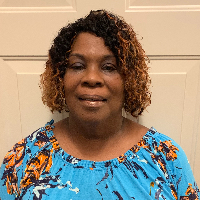
Poythress Mitchell is an LPC - Licensed Professional Counselor in Virginia with 27 years of experience. She works with adults on concerns such as stress, anxiety, addictions, anger, self-esteem, depression, relationship issues, trauma and abuse, grief, parenting strain, career stress, bipolar disorder, and ADHD.
She previously worked in residential settings, case management, outpatient care, in-home services, and addiction treatment. That background means she has seen a broad range of clinical situations and practical challenges. She draws on these settings when helping people sort immediate problems and plan next steps.
Poythress uses clear, direct methods in sessions. She helps people identify problems, set goals, and learn coping skills for stress and emotions. She also works on relapse prevention and supports people navigating grief and trauma. Her approach blends client-centered talking with structured techniques to change unhelpful patterns.
Specific methods she draws on include client-centered therapy, cognitive behavioral therapy (CBT), dialectical behavior therapy (DBT), eye movement desensitization and reprocessing (EMDR), and mindfulness practices. These are used to address symptoms, build skills, and reduce triggers over time.
Poythress aims to give practical guidance and clear steps rather than abstract theory. Sessions focus on problem solving, skills practice, and plans people can use between meetings. She asks about each person’s goals and adapts techniques to fit those aims.
How therapeutic approaches are used in online sessions
Poythress commonly uses client-centered therapy, cognitive behavioral therapy (CBT), and dialectical behavior therapy (DBT) in her work. Client-centered therapy focuses on listening and building understanding so people can state goals and make decisions. CBT breaks problems into thoughts, feelings, and actions and teaches skills to change unhelpful patterns. DBT adds concrete skills for managing strong emotions, tolerating distress, and improving interpersonal effectiveness.Choosing the right approach is part of the process. She will discuss your goals and preferences and then suggest methods to try. That collaborative decision helps match skills and strategies to real-life problems like time management, overwhelm, or follow-through difficulties.
Session formats are not specified in the profile, so confirm current options before booking. Online sessions can make it easier to fit meetings into a busy week, allow shorter check-ins when needed, or reduce commuting time. She uses these methods to help clients practice skills, review progress, and adjust plans so therapy fits into everyday life rather than being a separate project.
Areas of expertise
Primary focus
Also works with
Additional focus areas
Therapeutic approaches
Experience
27+ years
Credentials
Virginia
Languages
English
Frequently asked questions
What concerns does she help with?
She works with stress, anxiety, addictions, anger, self-esteem, depression, relationship issues, trauma and abuse, grief, parenting challenges, career stress, bipolar disorder, and ADHD.
What is her therapeutic style?
She blends client-centered listening with structured techniques. Expect goal setting, practical coping skills, and clear steps to practice between sessions.
How long has she worked in mental health?
She has 27 years of experience across residential, case management, outpatient, in-home, and addiction treatment settings.
What are her credentials and where is she based?
She is an LPC - Licensed Professional Counselor - practicing in Virginia.
Does she offer sessions in other languages or to international clients?
Sessions are offered in English. International clients are not accepted at this time.
How are sessions delivered?
Confirm the current session formats before booking, as specific formats are not listed in the profile.
How much do sessions cost?
Cost varies by location and sessions use a subscription model that can be canceled at any time.
How do I begin working with her?
Use the See online therapy options button, complete a short matching questionnaire, and schedule a first session.
Before you reach out
A profile shows the concerns a counselor lists; it is not a diagnosis, an ADHD assessment or a promise of results. Questions about evaluation or medication belong with a doctor or other prescriber. If you feel unsafe right now, call or text 988, or call 911.