- Client-Centered methods
- Cognitive Behavioral Therapy
- Works in English and Spanish
About Patricia
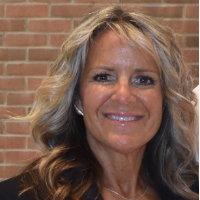
Patricia Foyder-DeVoe is a Licensed Clinical Social Worker (LCSW) in New York with 25 years of clinical experience. She works with adults on stress, anxiety, depression, relationship and parenting concerns, substance issues, trauma and grief, and ADHD among other challenges. Patricia combines straightforward support with practical techniques to help clients manage everyday struggles.
She trained at Fordham University where she completed a Bachelor of Science and a Master of Social Work. Early clinical roles included community mental health work and supervising psychotherapist duties before shifting into independent practice. That background gives her experience across outpatient and community settings.
Patricia’s practice draws on psychodynamic ideas alongside more active methods. She uses Client-Centered, Cognitive Behavioral Therapy (CBT), Dialectical Behavior Therapy (DBT), Emotionally-Focused Therapy (EFT), and Solution-Focused tools to address specific problems. Sessions focus on identifying goals and building skills to reach them.
In practical terms she helps people break down tasks, improve communication, and manage mood and anxious thinking. For issues like focus, organization, and follow-through Patricia blends coaching-style strategies with therapeutic work. She also addresses loss, intimacy-related issues, body image, and caregiver stress.
Patricia works in English and Spanish. Her approach is collaborative and goal-oriented, emphasizing clear steps and tools clients can use between sessions. To get started clients complete a short matching questionnaire and schedule a first session.
How Patricia integrates core approaches online
Patricia uses Cognitive Behavioral Therapy (CBT) to help identify unhelpful thinking patterns and develop practical strategies for changing behavior. CBT is useful for anxiety, depression, and problems with concentration or follow-through.She also draws on psychodynamic therapy to look at recurring patterns and emotional themes that affect relationships and self-esteem. This approach helps when someone wants to understand longstanding habits or emotional responses.
Finding the right approach is part of the work. Patricia collaborates with clients to choose which methods to use based on goals, symptoms, and personal preference. That means sessions can include active skill-building, short coaching-style steps, or deeper reflective work as needed.
Details about session formats should be confirmed before booking. The practical benefits of online sessions often include easier fitting of appointments into a busy day, quicker check-ins when needed, and options that reduce travel time. Talk with Patricia during the matching process to learn which session formats she currently offers and which will best fit daily routines.
Areas of expertise
Primary focus
Also works with
Additional focus areas
Therapeutic approaches
Experience
25+ years
Credentials
New York
Languages
English, Spanish
Frequently asked questions
Which concerns does she address?
She works with stress, anxiety, depression, relationship and parenting issues, trauma, grief, addictions, ADHD, and related concerns listed in her profile.
What therapy styles does she use?
Her work draws on psychodynamic ideas and she also uses Client-Centered Therapy, CBT, DBT, EFT, and Solution-Focused techniques depending on client needs.
How much experience does she have?
She has 25 years of experience as a psychotherapist, including community mental health and independent practice roles.
Where is she licensed and based?
She is an LCSW licensed in New York and practices from that location.
Which languages are supported?
Sessions are offered in English and Spanish.
Can international clients work with her?
She does not accept international clients at this time.
How are sessions scheduled and paid for?
Sessions use a subscription model that can be canceled at any time; exact cost varies with location.
How do I begin working with her?
Start by selecting the See online therapy options button, complete a short matching questionnaire, and schedule your first session.
Before you reach out
A profile shows the concerns a counselor lists; it is not a diagnosis, an ADHD assessment or a promise of results. Questions about evaluation or medication belong with a doctor or other prescriber. If you feel unsafe right now, call or text 988, or call 911.