- CBT techniques
- Mindfulness practice
- Solution-focused steps
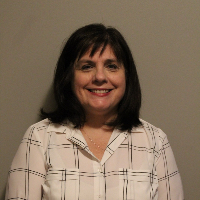
About Pamela
Pamela DiGangi is a Licensed Mental Health Counselor (LMHC) in New York with 36 years of experience. She helps people who are feeling stuck and who want clearer goals and better ways to manage stress, anxiety, depression, grief, anger, relationship conflict, and ADHD-related difficulties.
She spent over three decades as a school counselor in a suburban New York district and has also provided family and couples counseling at a community support center. That background shaped her focus on practical problem-solving and clearer communication for everyday life.
Pamela blends several approaches to keep work concrete and focused. She uses client-centered listening to understand what matters to each person. She draws on cognitive behavioral techniques to spot unhelpful thoughts and build different habits. Mindfulness practices and solution-focused steps help with immediate coping and small, measurable changes.
Internal Family Systems ideas are used when people want to understand conflicting parts of themselves, such as impulsivity or self-criticism. She aims to help people recognize patterns, practice new responses, and take small steps toward better organization and follow-through.
Pamela describes her work as straightforward and goal-minded. She supports parents dealing with family stress and people managing workplace pressure, social anxiety, body image concerns, and relationship challenges. People who want clear tools and a pragmatic way forward often choose to speak with her.
How her approaches translate to online work
Pamela uses client-centered therapy to focus on each person's priorities, listening first to what feels most urgent and then setting clear next steps. Cognitive Behavioral Therapy (CBT) is used to identify unhelpful thought patterns and to practice different coping or organizational strategies that can be applied between sessions. Mindfulness techniques are offered as brief exercises to reduce immediate stress and improve attention and presence.Choosing the best approach is a collaborative process. The therapist will review your concerns, goals, and preferences and suggest which methods to try first. Together you can adjust methods based on what feels most useful and practical for daily life.
Session formats are not specified in the biography, so please confirm current online options before booking. Online sessions can make it easier to fit appointments into a busy week, allow short check-ins when time is limited, and reduce travel. They can also let people use quieter surroundings, avoid camera fatigue, or schedule sessions around work and family commitments. Licensed professionals help tailor session length and focus to what works for each person.
Areas of expertise
Primary focus
Also works with
Additional focus areas
Therapeutic approaches
Experience
36+ years
Credentials
New York
Languages
English
Frequently asked questions
What kinds of concerns does she address?
Pamela works with stress, anxiety, depression, grief, anger, relationship problems, parenting and family issues, and ADHD among other concerns.
What is her general therapeutic style?
She combines client-centered listening with practical methods like cognitive behavioral techniques, mindfulness, and solution-focused work to set achievable goals.
How much experience does she have?
She has 36 years of professional experience, including over 30 years as a school counselor and additional community counseling work.
What are her credentials and where is she based?
Pamela is an LMHC licensed in New York and practices in the New York area.
Which languages are sessions offered in?
Sessions are offered in English.
Does she work with international clients?
She does not accept international clients at this time.
How are sessions paid for and what does it cost?
Cost varies with location; sessions use a subscription model that can be canceled at any time.
How do I begin working with her?
Select the See online therapy options button, complete a short matching questionnaire, and schedule a first session.
Before you reach out
A profile shows the concerns a counselor lists; it is not a diagnosis, an ADHD assessment or a promise of results. Questions about evaluation or medication belong with a doctor or other prescriber. If you feel unsafe right now, call or text 988, or call 911.