- Client-Centered Therapy
- Cognitive Behavioral Therapy
- Mindfulness practices
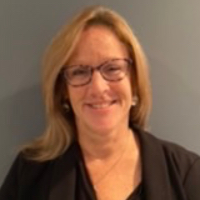
About Nancy
Nancy Bodnar is a Licensed Clinical Social Worker (LCSW) practicing in New Jersey with 18 years of experience. She lists stress, anxiety, relationship and family concerns, mood issues, trauma, grief, and ADHD among her focus areas. Nancy works with adults and parents to address problems that interfere with daily routines, relationships, and wellbeing.
She trained at Hunter College School of Social Work and has worked in both independent practice and outpatient hospital settings. That mix of settings shaped her practical approach to common life problems such as divorce, loss, parenting strain, and substance-related concerns. She also has experience with school social work and volunteer work with community family services.
Nancy uses a range of therapy styles in session. She draws on client-centered methods to help people set goals and feel heard. She also uses cognitive behavioral techniques to identify unhelpful thought patterns and develop different behavior strategies.
Mindfulness tools are part of her toolkit to help with stress, anxiety, and focus challenges. Psychodynamic ideas about past relationships and attachment sometimes inform sessions when family of origin or abandonment issues are present. Solution-focused techniques are used for short-term goal work and practical problem solving.
She describes working collaboratively and may coordinate care with other professionals when helpful. Sessions are described as aimed at restoring confidence and improving relationships, with attention to communication problems, impulsivity, isolation, and intimacy-related issues.
How therapeutic approaches are used in online work
Client-Centered Therapy focuses on listening and helping people set their own goals. In practice this means the therapist reflects what the client says and prioritizes the issues the client brings up, useful for relationship and family concerns.Cognitive Behavioral Therapy (CBT) is about noticing thoughts that lead to unhelpful actions and trying different behaviors. It is practical for anxiety, mood changes, focus and impulsivity challenges because it emphasizes small, testable steps.
Mindfulness Therapy teaches simple attention and breathing practices to reduce reactivity and improve focus. These exercises can be short and fit into a busy day when stress or distractibility make tasks harder.
Choosing the right approach is part of the work. The therapist will collaborate with the client to pick methods that match their goals, preferences, and the problems they want to address. That process can change over time as needs shift.
Confirm the specific session formats before booking, as formats were not listed in the biography. Online sessions can make it easier to fit appointments around work and family demands, allow brief check-ins when schedules are tight, or reduce travel time. Discussing practical needs early helps set a plan that works with everyday life.
Areas of expertise
Primary focus
Also works with
Additional focus areas
Therapeutic approaches
Experience
18+ years
Credentials
New Jersey
Languages
English
Frequently asked questions
What kinds of concerns does she address?
She works with stress, anxiety, depression, grief, relationship and family problems, trauma, addictions, and ADHD among other issues.
What is her therapeutic style?
Her approach blends client-centered care with cognitive behavioral techniques, mindfulness, psychodynamic ideas, and solution-focused work.
How much experience does she have?
She has 18 years of clinical experience working in independent practice and outpatient hospital settings.
What are her credentials and location?
She is an LCSW licensed in New Jersey and practices with a focus on adult and parenting concerns.
Which languages are supported?
Sessions are offered in English.
Can international clients work with her?
She does not accept international clients at this time.
How are session costs handled?
Cost varies with location and sessions use a subscription that can be canceled at any time.
How do I get started?
Select the See online therapy options button, complete a short matching questionnaire, and schedule a first session.
Before you reach out
A profile shows the concerns a counselor lists; it is not a diagnosis, an ADHD assessment or a promise of results. Questions about evaluation or medication belong with a doctor or other prescriber. If you feel unsafe right now, call or text 988, or call 911.