- Client-centered therapy
- Cognitive behavioral therapy
- DBT skills work
About Monique
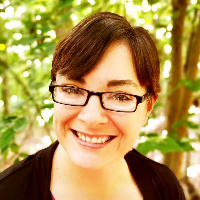
Monique Rourk is a Licensed Mental Health Counselor (LMHC) and a Licensed Professional Counselor (LPC) with 20 years of experience. She lists work with stress, anxiety, addictions, trauma and abuse, depression, relationship and intimacy-related issues, grief, bipolar, coping with life changes, and ADHD among her areas of focus. Monique describes sessions as relaxed and goal-focused, and she involves clients in setting and choosing ways to address those goals.
She uses an integrative approach that emphasizes client-centered work and cognitive behavioral therapy. Sessions can include talk therapy and skills-based work depending on what someone needs. She also uses dialectical behavior therapy, mindfulness, and motivational interviewing as part of the options she offers.
Monique aims to help people reduce emotional distress and self-defeating behaviors by building self-awareness and practical coping skills. She works on problem solving, self-esteem, mood regulation, and relapse prevention in addiction. She also addresses sexual concerns including BDSM and kink matters in a nonjudgmental way.
Her training includes a master’s degree in mental health counseling and additional coursework in trauma, PTSD, cognitive processing, and DBT skills development. She holds LMHC and LPC credentials in Washington, Florida, and Michigan and brings two decades of clinical experience to her practice.
Sessions are described as collaborative; clients help set goals and choose strategies that fit their situation. People who want a mix of talking and concrete skill practice may find this method fits their needs.
How her approaches translate to online work
Monique commonly uses client-centered therapy, cognitive behavioral therapy (CBT), and dialectical behavior therapy (DBT) skills in her practice. Client-centered therapy focuses on listening, reflecting, and helping people clarify their own goals and values so they can make decisions that fit their lives. CBT breaks down unhelpful thinking and behavior patterns into practical steps and skill practice to reduce distress and improve functioning. DBT skills work emphasizes emotion regulation, distress tolerance, and interpersonal effectiveness teaching concrete techniques people can use in stressful moments.Finding the best approach is part of the work together. She will collaborate with each person to choose which methods to try based on their needs, goals, and what works in real life. That means adjusting strategies over time and combining talking with hands-on skills practice when useful.
The original biography does not list specific session formats here, so please confirm current online session options before booking. Online sessions can make it easier to fit therapy into a busy week, shorten commutes, and allow for shorter check-ins when that suits a person. They also let therapists and clients practice real-world skills and problem solving in the context of everyday routines without promising a specific format.
Areas of expertise
Also works with
Additional focus areas
Therapeutic approaches
Experience
20+ years
Credentials
Michigan, Washington
Languages
English
Frequently asked questions
What kinds of concerns does she address?
She supports people with stress, anxiety, depression, addictions, trauma and abuse, relationship and intimacy-related issues, grief, bipolar disorder, and ADHD among other concerns.
What is her therapeutic style?
Her style is collaborative and relaxed, combining talk therapy with skills practice so clients help set goals and pick approaches.
How much experience does she have?
Monique has 20 years of experience working in counseling and mental health settings.
What credentials and region are listed?
She holds LMHC and LPC credentials and lists Washington, Florida, and Michigan as states where she is licensed, with practice located in Michigan.
Which languages are supported?
Sessions are offered in English only.
Can international clients work with her?
International clients are not currently accepted.
How are sessions scheduled and paid for?
Cost varies with location; sessions use a subscription model that can be canceled at any time.
How do I begin working with her?
Start by selecting the See online therapy options button, complete a short matching questionnaire, and schedule a first session.
Before you reach out
A profile shows the concerns a counselor lists; it is not a diagnosis, an ADHD assessment or a promise of results. Questions about evaluation or medication belong with a doctor or other prescriber. If you feel unsafe right now, call or text 988, or call 911.