- CBT techniques
- DBT skills
- Client-centered care
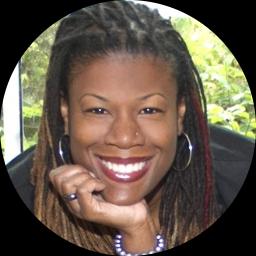
About Monica
Monica Williams is a North Carolina Licensed Clinical Mental Health Counselor (LCMHC) with 15 years of experience helping adults who feel overwhelmed by stress, anxiety, relationship strain, trauma, depression, and ADHD-related challenges. She works with individuals who are questioning life purpose, struggling with follow-through, or feeling stuck despite reading, meditating, or seeking advice from friends.
Monica focuses on practical, conversational therapy. Sessions are direct and down-to-earth. She uses talk, reflection, and skills practice so people can try things between meetings and notice what helps.
Her background includes long experience in mental health settings and work with adults from varied backgrounds. She combines Client-Centered Therapy with structured methods such as Cognitive Behavioral Therapy and Dialectical Behavior Therapy. Internal Family Systems is also part of her toolkit for addressing internal conflicts and relational patterns.
Monica often addresses issues like attachment and communication problems, control and commitment worries, guilt and shame, impulsivity, isolation, and life transitions such as midlife questions. She also works with panic symptoms, post-traumatic stress, and multicultural concerns.
In sessions she aims to be approachable and to use clear, practical steps. People who prefer some spiritual or reflective language alongside concrete strategies may find that style fits their needs. To start, people complete a brief matching questionnaire and schedule the first session via the online therapy options button.
How her approaches work in online sessions
Client-Centered Therapy focuses on listening, reflection, and building trust so people can talk through what matters and decide on next steps. It helps when someone needs a steady, respectful space to sort out feelings and values.Cognitive Behavioral Therapy (CBT) looks at the links between thoughts, feelings, and behaviors. It involves trying specific exercises and tracking what changes, which can help with anxiety, procrastination, and follow-through problems.
Dialectical Behavior Therapy (DBT) teaches concrete skills for managing strong emotions and impulsive actions. Skills practice includes short exercises people can use between sessions to reduce overwhelm and improve decision-making.
Finding the right mix of methods is part of the work. The therapist will discuss goals and preferences and together decide which approaches to use. That collaborative choice means sessions focus on what the client wants to change and on practical steps they can test in daily life.
Confirm the exact session formats before booking since the profile does not list specific options. Online therapy can make attending sessions easier to fit around work and family demands, allow shorter check-ins when needed, and remove travel time so people can use their available time more efficiently.
Areas of expertise
Primary focus
Additional focus areas
Therapeutic approaches
Experience
15+ years
Credentials
North Carolina
Languages
English
Frequently asked questions
What concerns does she address?
She works with stress, anxiety, relationship strain, trauma and abuse, depression, and ADHD related challenges, plus related issues like impulsivity and isolation.
What is her therapeutic style?
Her style blends Client-Centered Therapy with structured methods such as CBT and DBT, using talk and practical skills practice in sessions.
How much experience does she have?
She has 15 years of professional experience in mental health settings with adults from varied backgrounds.
What are her credentials and location?
She is a North Carolina LCMHC and practices in North Carolina.
Which languages are supported and are international clients accepted?
Sessions are offered in English and international clients are not currently accepted.
What session formats are offered?
Confirm current session options before booking, as specific formats are not listed in the profile.
How does cost work?
Cost varies with location; sessions use a subscription that can be canceled at any time.
How do I get started?
Select the See online therapy options button, complete a short matching questionnaire, and schedule your first session.
Before you reach out
A profile shows the concerns a counselor lists; it is not a diagnosis, an ADHD assessment or a promise of results. Questions about evaluation or medication belong with a doctor or other prescriber. If you feel unsafe right now, call or text 988, or call 911.
All counselors Surnames under W Counselors in North Carolina