- ACT methods
- CBT techniques
- Motivational interviewing
About Monica
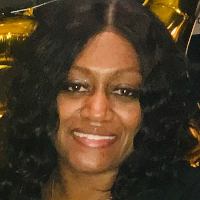
Monica Dada (Barham) is a Licensed Certified Social Worker (LCSW-C) in Maryland with 20 years of clinical experience. She works with adults on stress, anxiety, addictions, depression, relationship and family concerns, grief, trauma and abuse, eating and intimacy-related issues, and ADHD among other challenges.
She focuses on clear, practical conversations. Sessions look at daily routines, communication patterns, and coping skills that get in the way of following through. Monica uses straightforward techniques to help people manage overwhelm and improve focus and organization in everyday life.
Her approach blends Acceptance and Commitment Therapy, Cognitive Behavioral Therapy, and Client-Centered techniques. She also draws on Motivational Interviewing and Solution-Focused Therapy when helpful. Monica aims to help people identify small, doable changes rather than promise quick fixes.
Monica has worked with people facing chronic illness and caregiver stress, blended family issues, fertility and body-image concerns, and challenges tied to sexual and gender identity. She can address co-occurring problems such as codependency, substance use, and mood disorders alongside attention and executive function struggles.
Sessions emphasize practical skill-building, clearer decision making, and improving daily functioning. To start, she asks about what is most disruptive in a person's life and helps set short-term, measurable goals. The focus is on reducing friction so people can follow through more consistently.
How her approaches translate to online work
Acceptance and Commitment Therapy (ACT) helps people notice unhelpful thoughts and choose actions that match their values. It can be useful for managing avoidance, overwhelm, and getting clearer about priorities. Cognitive Behavioral Therapy (CBT) breaks down problems into thoughts, feelings, and behaviors and teaches concrete skills to change patterns that block follow-through. That can help with time management, procrastination, and mood-related interference.Choosing the right approach is a collaborative process. Monica will work with each person to test techniques and see what fits best for their goals and daily life. She helps set short-term goals and adjusts methods as progress or setbacks appear.
Confirm the current session formats before booking because the biography did not specify formats. Many people find online sessions easier to fit into busy schedules, allow shorter check-ins during work breaks, or remove commute time. Online work can make it simpler to try skill practice between sessions and bring everyday routines into the conversation. Licensed professionals tailor pacing and exercises so sessions fit practical needs rather than promising a specific outcome.
Areas of expertise
Primary focus
Also works with
Additional focus areas
Therapeutic approaches
Experience
20+ years
Credentials
Maryland
Languages
English
Frequently asked questions
What problems does she help with?
She supports adults with stress, anxiety, depression, addictions, relationship and family concerns, grief, trauma, eating and intimacy issues, and ADHD among other challenges.
What is her therapy style?
Her style is practical and focused on skills. Sessions look at routines, communication, and small behavior changes to improve focus and follow-through.
How much experience does she have?
She has 20 years of clinical experience working with a broad range of adult concerns and complex life stressors.
What are her credentials and where is she based?
She is an LCSW-C in Maryland and provides services from that state.
Does she work in other languages or internationally?
Sessions are offered in English and she does not accept international clients at this time.
What session formats are available?
Confirm current session options before booking, as the biography does not list specific formats.
How are fees handled?
Cost varies with location; sessions use a subscription that can be canceled at any time.
How do I begin working with her?
Select the See online therapy options button, complete a short matching questionnaire, and schedule a first session.
Before you reach out
A profile shows the concerns a counselor lists; it is not a diagnosis, an ADHD assessment or a promise of results. Questions about evaluation or medication belong with a doctor or other prescriber. If you feel unsafe right now, call or text 988, or call 911.