- CBT techniques
- DBT skills
- Motivational interviewing
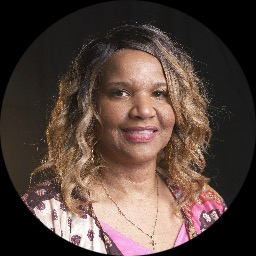
About Michelle
Michelle Spencer is a Licensed Mental Health Counselor (LMHC) and a Licensed Professional Clinical Counselor (LPCC) with 12 years of experience. She works with adults on concerns such as stress, anxiety, trauma and abuse, self-esteem, career challenges, depression, addictions, and ADHD. Her practice also addresses grief, anger, mood disorders, and issues that affect daily functioning.
Michelle uses straightforward talk therapy that centers the person's goals and preferences. She draws on client-centered methods to build a collaborative relationship. Cognitive Behavioral Therapy (CBT) and Dialectical Behavior Therapy (DBT) techniques are part of her toolkit for managing thoughts, emotions, and behavior. Motivational Interviewing is used when people want help increasing readiness for change.
Sessions follow a practical tone. Conversations focus on clear steps and skills to handle overwhelm, impulsivity, or follow-through problems. She helps people identify patterns, set small goals, and try out changes between sessions. Work may include problem-solving around time management, money and workplace challenges, or improving sleep and routines.
Michelle has worked across settings for a dozen years and brings that experience into planning treatment. She supports people dealing with caregiver stress, codependency, guilt and shame, and forgiveness work. Young adult issues and women's issues are included among her focus areas.
Her approach aims to be direct and person-focused. If you want to explore coaching-style tools alongside therapy, that option is discussed in sessions. Michelle practices in Minnesota and conducts work in English.
How her approaches translate to online work
Client-Centered Therapy focuses on the person's goals and perspective. It emphasizes listening and responding to what matters most to the client, which can make online sessions feel individualized and goal oriented. Cognitive Behavioral Therapy (CBT) breaks problems into thoughts, feelings, and behaviors. Online sessions make it easy to practice CBT tools like activity scheduling, thought records, and short behavioral experiments between meetings. Finding the right approach is part of the work. The therapist will talk with the client about symptoms, priorities, and preferences and then try approaches together to see what fits best. That collaborative process may mix client-centered listening with CBT or DBT skills depending on needs. Confirm the current session options before booking since formats are not listed here. Online sessions can help fit therapy into busy routines by reducing travel time and allowing appointments during breaks or from different locations. Some formats can make check-ins shorter or let people avoid being on camera, which helps sessions fit into everyday life without changing the therapeutic goals.Areas of expertise
Primary focus
Also works with
Additional focus areas
Therapeutic approaches
Experience
12+ years
Credentials
Minnesota, New York
Languages
English
Frequently asked questions
What concerns does she help with?
She supports adults with stress, anxiety, trauma and abuse, self-esteem, career problems, depression, addictions, ADHD, and related issues like caregiver stress and impulsivity.
What style of therapy does she use?
Her work is client-centered and collaborative. She also uses CBT, DBT skills, and Motivational Interviewing to teach practical tools and build momentum for change.
How much experience does she have?
She has 12 years of professional experience working in clinical settings and brings that background into her treatment planning.
What are her credentials and location?
She holds LMHC and LPCC credentials and is licensed in New York and Minnesota, and practices in Minnesota.
Which languages are supported?
Sessions are offered in English only.
Can people outside the U.S. work with her?
She does not accept international clients at this time.
How does payment or cost work?
Cost varies by location and services. Sessions use a subscription model that can be canceled at any time.
How do I begin working with her?
Use the See online therapy options button, complete the short matching questionnaire, and schedule a first session to get started.
Before you reach out
A profile shows the concerns a counselor lists; it is not a diagnosis, an ADHD assessment or a promise of results. Questions about evaluation or medication belong with a doctor or other prescriber. If you feel unsafe right now, call or text 988, or call 911.