- ACT methods
- CBT skills
- DBT techniques
About Michelle
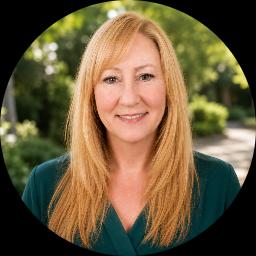
Michelle Newton is a Licensed Mental Health Counselor (LMHC) in Washington with 18 years of experience. She works with adults on stress, anxiety, relationships, trauma and abuse, parenting concerns, and ADHD. Michelle focuses on practical tools to help with daily challenges and follow-through.
She uses a range of evidence-informed approaches, including Acceptance and Commitment Therapy, Cognitive Behavioral Therapy, and Dialectical Behavior Therapy. Sessions typically involve goal-focused conversations, skills practice, and step-by-step strategies for behavior change. Michelle aims to help people identify patterns and build routines that fit real life.
Her background includes long-term clinical work across relationship and trauma issues. Michelle also works with concerns related to attachment, abandonment, caregiver stress, chronic illness, and communication problems. She brings experience supporting people navigating divorce, codependency, dissociation, and blended family stress.
In sessions she integrates client-centered methods with ACT and CBT tools to address unhelpful thinking and improve emotional regulation. Practical exercises, short-term behavioral experiments, and attention to interpersonal patterns are common parts of the work. The emphasis is on usable skills rather than lengthy theory.
Michelle sees language, diagnosis labels, or life stage as starting points for planning treatment. She helps people set realistic steps for change and checks in on what is working. To begin, people complete a brief questionnaire and schedule a first session to map goals and next steps.
How therapeutic approaches are used in online sessions
Acceptance and Commitment Therapy (ACT) focuses on values-based action and noticing what matters most. It helps people who struggle with follow-through by clarifying goals and building small, steady steps toward them. Cognitive Behavioral Therapy (CBT) looks at the links between thoughts, feelings, and behavior and teaches practical skills for planning, time management, and reducing unhelpful thinking. Dialectical Behavior Therapy (DBT) emphasizes emotion regulation and distress-tolerance skills that can be useful when anxiety, overwhelm, or impulsivity get in the way of daily routines.Finding the right approach is part of the work. Michelle will collaborate with each person to decide which methods fit their situation and goals. Sessions are shaped by the client's needs and preferences, with regular check-ins to see what helps and what should change.
Session formats are not specified in the biography, so confirm current online options before booking. Online therapy can make it easier to fit appointments into a busy schedule, allow shorter focused check-ins, and reduce travel time. It can also let people practice new skills in real-world settings and bring concrete issues from daily life into the session for discussion.
Areas of expertise
Primary focus
Additional focus areas
Therapeutic approaches
Experience
18+ years
Credentials
Washington
Languages
English
Frequently asked questions
What concerns does she help with?
She supports people dealing with stress, anxiety, relationship difficulties, trauma and abuse, parenting challenges, and ADHD, plus related issues like attachment, caregiver stress, and chronic illness.
What is her therapeutic style?
Her style blends client-centered conversations with practical exercises from ACT, CBT, and DBT to build skills and routines that fit day-to-day life.
How much experience does she have?
She has 18 years of clinical experience working with a wide range of adult concerns and relationship issues.
What credentials and location are listed?
She is an LMHC licensed in Washington and practices from that state.
Which languages are supported?
Sessions are offered in English.
Can international clients work with her?
She does not accept international clients at this time.
How are sessions paid for?
Cost varies with location and sessions use a subscription model that can be canceled at any time.
How do I start working with her?
Click the See online therapy options button, complete a short matching questionnaire, and schedule a first session.
Before you reach out
A profile shows the concerns a counselor lists; it is not a diagnosis, an ADHD assessment or a promise of results. Questions about evaluation or medication belong with a doctor or other prescriber. If you feel unsafe right now, call or text 988, or call 911.