- Addictions
- CBT and ACT
- Time management
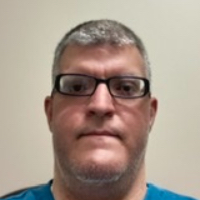
About Michael
Michael Valdes is an LCSW, a licensed clinical social worker in Tennessee, with 17 years of experience supporting adults facing a range of concerns including anxiety, depression, relationship and intimacy issues, addiction, grief, and ADHD. He focuses on practical help for daily struggles like follow-through, stress, and career pressure. Michael offers direct, conversational care aimed at making tasks feel more manageable.
He blends several approaches to match what a person needs. Michael uses Cognitive Behavioral Therapy to identify unhelpful thinking and try new behaviors. He brings in Acceptance and Commitment Therapy to help people clarify values and take committed steps. He also draws on Client-Centered methods to keep the conversation focused on the person’s priorities.
Sessions tend to be straightforward and goal-focused. Michael works with clients on skills for time management, coping with overwhelm, and improving communication. He pays attention to patterns that make it hard to complete tasks or sustain relationships, and practices small, usable changes in session.
He has experience with trauma, grief, bipolar conditions, and substance issues alongside common life stressors like career changes and caregiving strain. Michael also supports people exploring kink, intimacy questions, and attachment concerns.
People can expect clear explanations of approaches and concrete steps to try between meetings. To start, clients are encouraged to describe current struggles and what they want to be different, so sessions can focus on immediate, practical goals.
How therapeutic approaches translate to online sessions
Acceptance and Commitment Therapy helps people get clearer about what matters to them and take manageable action toward those values. It can help with motivation, follow-through, and coping with difficult feelings. Cognitive Behavioral Therapy focuses on spotting thinking patterns that block progress and trying concrete behavior changes to improve focus and routine. It is often used for anxiety, depression, and task-related problems. Client-Centered Therapy keeps the conversation anchored on the person’s priorities and pacing, offering reflective listening and support while goals are developed.Choosing the right approach is part of the work. Michael will discuss different methods and make decisions together based on what a client wants to change, how they prefer to work, and what seems to help in early sessions. That collaboration guides whether sessions emphasize skills, values-based steps, or reflective exploration.
Confirm current session options before booking, as the biography does not list specific formats. In general, online sessions can make it easier to fit meetings into a busy schedule, avoid travel time, or use shorter check-ins when time is limited. They also make it simpler to try strategies between sessions and bring real-life scheduling challenges into the conversation.
Areas of expertise
Primary focus
Also works with
Additional focus areas
Therapeutic approaches
Experience
17+ years
Credentials
Tennessee
Languages
English
Frequently asked questions
What kinds of problems does he help with?
Michael works with adults on anxiety, depression, addiction, grief, relationship and intimacy issues, ADHD, and related life stressors.
What is his therapeutic style?
He uses a practical, conversational style that focuses on skills and small behavior changes. Approaches include CBT, ACT, DBT elements, and client-centered work.
How much clinical experience does he have?
He has 17 years of experience providing psychotherapy in a range of areas including trauma, mood conditions, and addiction.
What credentials and location are listed?
He is an LCSW, licensed in Tennessee, and practices with a Tennessee credential.
In what language are sessions offered?
Sessions are offered in English.
Does he work with international clients?
He does not accept international clients at this time.
How is payment handled and what does it cost?
Cost varies by location; sessions use a subscription that can be canceled at any time.
How do I get started with him?
Select the See online therapy options button, complete a short matching questionnaire, and schedule a first session.
Before you reach out
A profile shows the concerns a counselor lists; it is not a diagnosis, an ADHD assessment or a promise of results. Questions about evaluation or medication belong with a doctor or other prescriber. If you feel unsafe right now, call or text 988, or call 911.