- CBT approaches
- ACT methods
- Trauma informed
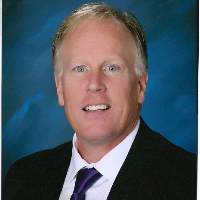
About Michael
Michael Rhine is a Washington LMHC with 27 years of counseling experience. He works with adults on problems like stress, anxiety, depression, addictions, relationship and parenting concerns, and ADHD. He also addresses workplace issues and life changes.
Rhine uses straightforward, interactive sessions. He combines Cognitive Behavioral Therapy (CBT), Acceptance and Commitment Therapy (ACT), Dialectical Behavior Therapy (DBT), Emotionally-Focused Therapy (EFT), and a client-centered way of working. Sessions focus on practical skills, pacing, and steps people can try between meetings.
He has a long history of supporting people affected by trauma and adverse childhood experiences. That work informs how he talks about coping, triggers, and boundaries. Addiction and caregiver stress are also areas he commonly addresses.
In session Michael helps people sort priorities, plan actions, and handle follow-through. He talks through concrete strategies for organization, time management, and managing strong emotions. He avoids stigmatizing labels and centers respect and sensitivity in conversation.
His background includes extensive clinical practice in Washington and many years helping people navigate family-of-origin issues, codependency, and post-traumatic stress. He also works on career concerns, fatherhood topics, and forgiveness and guilt issues.
People typically leave sessions with clear homework or coping steps to try. To begin, readers are asked to use the site steps to match and schedule a first meeting. Sessions use a subscription model that can be canceled at any time.
Approaches used and how online sessions work
Acceptance and Commitment Therapy (ACT) encourages you to notice hard thoughts and feelings while committing to actions that matter. It is useful for anxiety, avoidance, and getting unstuck from unhelpful patterns. Cognitive Behavioral Therapy (CBT) looks at patterns of thinking and behavior and teaches practical skills to change them. It often helps with mood, anxiety, and planning tasks. Emotionally-Focused Therapy (EFT) focuses on identifying and processing emotions in the moment to improve relationships and emotional clarity.Finding the best approach is part of the work. The therapist will talk with each person about goals, preferences, and how they respond to different methods. That collaborative process shapes which methods are emphasized and how sessions are structured.
Confirm the exact session formats before booking, as the profile does not list specific online delivery modes. Online sessions can make it easier to fit therapy around work, caregiving, or travel. They also allow sessions to be shorter or scheduled at different times to match a busy day. Ask about session length and format when you complete the matching questionnaire so arrangements fit your practical needs.
Areas of expertise
Primary focus
Also works with
Additional focus areas
Therapeutic approaches
Experience
27+ years
Credentials
Washington
Languages
English
Frequently asked questions
What concerns does he work with?
He addresses stress, anxiety, depression, addictions, relationship and parenting concerns, ADHD, and related issues such as trauma and workplace problems.
What is his therapeutic style?
He uses an interactive, practical approach combining CBT, ACT, DBT, EFT, and client-centered methods to focus on skills and steps you can use between sessions.
How much experience does he have?
He has 27 years of counseling experience working with a wide range of concerns including trauma, addictions, and family-of-origin issues.
What are his credentials and location?
He is an LMHC licensed in Washington and practices with his background rooted in that state.
Which languages are supported?
Sessions are offered in English.
Does he work with international clients?
He does not accept international clients at this time.
How does payment and cost work?
Costs vary by location and sessions are provided through a subscription model that can be canceled at any time.
How do I get started?
Select the See online therapy options button, complete the short matching questionnaire, and schedule a first session.
Before you reach out
A profile shows the concerns a counselor lists; it is not a diagnosis, an ADHD assessment or a promise of results. Questions about evaluation or medication belong with a doctor or other prescriber. If you feel unsafe right now, call or text 988, or call 911.