- Attachment-based therapy
- Emotionally-focused work
- Motivational interviewing
About Michael
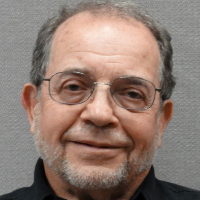
Michael Misterka is an LCSW-C (Maryland) with 15 years of clinical experience who helps people manage stress, anxiety, relationship problems, parenting strain, trauma, addiction, and ADHD. He focuses on practical changes clients can use day to day. He encourages straightforward conversations about what a person wants from therapy and which steps might help them move forward.
His style centers on the client's choices. Sessions use a client-centered approach that invites honest discussion about goals and options. He describes his role as a partner who stays alongside a person while they decide what changes to make.
Michael draws on several methods to address real-life problems. He blends attachment-based ideas, emotionally focused techniques, motivational interviewing, and psychodynamic perspectives to look at patterns that keep problems repeating. He also uses solution-focused elements to identify small, concrete steps that can be tried between sessions.
He has worked with people facing family conflict, parenting challenges, substance issues, trauma and readjustment after incarceration or military service, as well as with anger, depression, and life transitions. That background informs how he frames interventions and sets goals with clients.
Sessions emphasize clear choices and practical skills. Michael talks through options, helps people spot repeated patterns, and supports efforts to try new behaviors. He asks clients to shape the pace and direction of work so it fits their priorities.
How his approaches translate to online work
Attachment-based work looks at how early relationships shape current interactions. It helps people understand patterns in close relationships and reduce repeated conflict. Client-centered therapy focuses on the person's goals and choices and supports straightforward discussion about what to change. Emotionally-Focused Therapy helps people identify and name emotions in the moment and then use that insight to shift how they relate to others.Figuring out which approach fits best is part of the early work. The therapist will review needs, goals, and preferences with the client and decide together which methods to try. That collaborative process helps shape session goals and homework that fit daily life.
Session formats are not specified in the biography, so confirm current options before booking. Online work can make it easier to fit sessions into a busy schedule, allow shorter check-ins when time is limited, and reduce travel time. Michael uses his clinical approaches to structure sessions so practical steps and relationship patterns are the focus, whether sessions are remote or in person.
Areas of expertise
Primary focus
Also works with
Additional focus areas
Therapeutic approaches
Experience
15+ years
Credentials
Maryland
Languages
English
Frequently asked questions
What concerns does he help with?
He works with stress, anxiety, relationship problems, parenting issues, addiction, trauma and ADHD among other challenges.
What is his therapeutic approach?
His practice is client-centered and collaborative, drawing on attachment-based therapy, emotionally-focused methods, motivational interviewing and psychodynamic ideas.
How much experience does he have?
He has 15 years of counseling experience working with people facing trauma, substance issues, relationship conflict, and life transitions.
What are his credentials and where is he based?
He holds an LCSW-C credential in Maryland and practices there.
Which languages are offered?
Sessions are offered in English.
Can international clients work with him?
He is not accepting international clients at this time.
How are sessions billed?
Cost varies by location and sessions are billed through a subscription that can be canceled at any time.
How do I begin working with him?
Select the See online therapy options button, complete a short matching questionnaire, and schedule a first session.
Before you reach out
A profile shows the concerns a counselor lists; it is not a diagnosis, an ADHD assessment or a promise of results. Questions about evaluation or medication belong with a doctor or other prescriber. If you feel unsafe right now, call or text 988, or call 911.