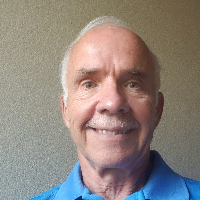
- Client-Centered Therapy
- Cognitive Behavioral Therapy
- Mindfulness Therapy
About Michael
Michael McWhirter is an LMSW (Licensed Master Social Worker) based in Michigan with 38 years of experience. He works with people dealing with stress, anxiety, addictions, trauma and abuse, depression, relationship and intimacy concerns, grief, sleep and eating issues, parenting and ADHD among other problems.
He uses different methods depending on what a person needs. That may include client-centered conversations that focus on the person’s priorities, cognitive behavioral techniques to spot unhelpful thoughts and behaviors, emotionally-focused work around relationship patterns, and mindfulness practices to reduce reactivity. Sessions can include both individual talk and skills-focused work.
In practice he aims to help people stabilize when life feels overwhelming. He often addresses practical problems like managing daily routines, coping with loss, substance use, and career strain. He also brings experience working with first responder and veteran issues and with people affected by infidelity or personality disorder challenges.
Michael adapts his approach to what each person brings to the room. He may use supportive, cognitive, or more direct interventions as needed. That can mean teaching specific strategies, practicing emotional regulation, or taking a closer look at relationship dynamics.
If someone is unsure how to begin, he suggests a straightforward first step to connect and map goals together. The focus is on clear, doable steps to help people function better day to day.
Approaches used in online sessions and how they fit
Client-centered therapy focuses on the person’s priorities and aims to create space for them to set goals and guide sessions. It helps when someone needs practical feedback, listening, and collaborative problem solving.Cognitive behavioral therapy (CBT) looks at the links between thoughts, feelings, and behaviors. It is useful for managing anxiety, improving routines, addressing unhelpful thinking, and working on follow-through and organization skills.
Finding the right approach is part of the work together. The therapist will discuss options and help decide which combination of methods fits a person’s needs, goals, and preferences. That decision is collaborative and may change as progress is made.
Session formats are not specified in the biography, so confirm current session options before booking. Online sessions can make it easier to fit therapy into a busy day, allow shorter check-ins when needed, and remove travel time. Those practical benefits often help people keep consistency while they learn skills, address ADHD-related task management, or work through relationships and stress.
Areas of expertise
Primary focus
Also works with
Additional focus areas
Therapeutic approaches
Experience
38+ years
Credentials
Michigan
Languages
English
Frequently asked questions
What concerns does he work with?
He works with a wide range of concerns including stress, anxiety, addictions, trauma and abuse, depression, relationship and intimacy issues, grief, sleep and eating problems, parenting, and ADHD.
What therapeutic approaches does he use?
He uses client-centered therapy, cognitive behavioral therapy (CBT), emotionally-focused therapy (EFT), and mindfulness therapy depending on the client's needs.
How much experience does he have?
He has 38 years of clinical experience working with individuals in a variety of settings.
What are his credentials and where is he located?
He is an LMSW (Licensed Master Social Worker) practicing in Michigan.
In which languages can sessions be held?
Sessions are offered in English.
Can international clients work with him?
He does not accept international clients at this time.
How are sessions paid for?
Cost varies with location and sessions use a subscription that can be canceled at any time.
What should I do to get started?
Use the See online therapy options button, complete the short matching questionnaire, and schedule your first session.
Before you reach out
A profile shows the concerns a counselor lists; it is not a diagnosis, an ADHD assessment or a promise of results. Questions about evaluation or medication belong with a doctor or other prescriber. If you feel unsafe right now, call or text 988, or call 911.