- CBT methods
- ACT practices
- Client-centered care
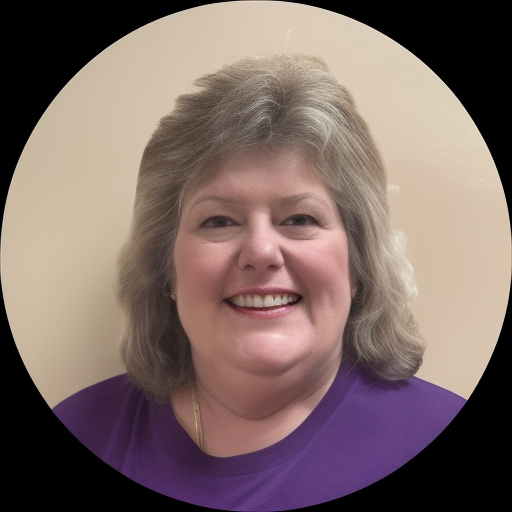
About Marsha
Marsha Oxamendi is a Florida LCSW with 14 years of clinical experience working with adults. She helps people manage stress, anxiety, depression, grief, anger, relationship and family concerns, addiction, sleep problems, career stress, bipolar issues, and ADHD. Her practice also addresses intimacy-related issues and coping with life changes.
She uses straightforward conversation and practical strategies in sessions. That can mean looking at everyday habits, trying new behaviors between meetings, and practicing skills that reduce overwhelm. She leans on approaches such as Cognitive Behavioral Therapy and Acceptance and Commitment Therapy to help with thought patterns and action steps.
Her background includes a Master of Social Work from Florida State University earned in 2010 and work across a range of settings. That includes counseling in prisons, running group anger management sessions, supporting dialysis patients, and working with veterans in hospice contexts. She has also supported pregnant and postpartum women and people facing chronic illness.
In session she focuses on clear goals and steady progress. Conversations are direct and respectful, with attention to what is most practical for day-to-day life. She pairs talk with tools clients can try between meetings to build skills and follow-through.
Marsha speaks English and accepts international clients. She combines client-centered listening with evidence-based techniques such as DBT and Emotionally-Focused Therapy when those approaches fit the concern. To begin, people complete a short matching questionnaire and schedule a first session.
How therapeutic approaches are used in online sessions
Acceptance and Commitment Therapy, or ACT, focuses on noticing thoughts and values then taking small actions that match those values. It can help when racing thoughts or avoidance keep someone from following through on daily plans.Cognitive Behavioral Therapy, CBT, targets unhelpful thinking and builds concrete skills. Sessions often include identifying thought patterns, testing them, and practicing new behaviors between meetings to improve focus and organization.
Dialectical Behavior Therapy, DBT, adds skills for emotional regulation and distress tolerance, useful when strong emotions disrupt routines or decision making.
Finding the right method is part of the work. The therapist will discuss goals, preferences, and what has helped or not helped in the past. Together they will try approaches that fit the client’s needs and adjust as progress is tracked.
Session logistics should be confirmed before booking because formats were not specified in the biography. Online sessions can make it easier to fit meetings into busy days, reduce travel time, and allow shorter check-ins when schedules demand them. Ask about current session options and scheduling when completing the questionnaire to plan what works best for day-to-day life.
Areas of expertise
Primary focus
Also works with
Additional focus areas
Therapeutic approaches
Experience
14+ years
Credentials
Florida
Languages
English
Frequently asked questions
What kinds of problems does she address?
She works with stress, anxiety, depression, grief, anger, relationship and family concerns, addictions, sleep issues, career challenges, bipolar symptoms, and ADHD related struggles.
What is her therapeutic style?
Sessions are practical and conversation-based. She combines client-centered listening with behavioral and skills-focused methods.
How much clinical experience does she have?
She has 14 years of experience since earning a Master of Social Work in 2010 and practicing in diverse settings.
What credentials and location are listed?
She is a Florida LCSW and practices from Florida.
Which languages are supported?
Sessions are offered in English and international clients are accepted.
What session formats are available?
The original biography did not list session formats; confirm current session options before booking.
How much do sessions cost?
Costs vary with location and sessions use a subscription that can be canceled at any time.
How do I get started?
Select the See online therapy options button, complete a short matching questionnaire, and schedule a first session.
Before you reach out
A profile shows the concerns a counselor lists; it is not a diagnosis, an ADHD assessment or a promise of results. Questions about evaluation or medication belong with a doctor or other prescriber. If you feel unsafe right now, call or text 988, or call 911.