- Addictions
- CBT methods
- Mindfulness
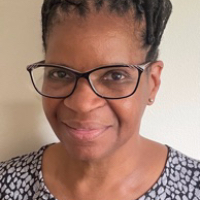
About Marilyn
Marilyn Turneur is an Ohio licensed independent social worker (LISW) with 12 years of experience. She helps people who are dealing with addictions, anxiety, depression, relationship problems, stress, ADHD, and parenting concerns. She also works with those coping with trauma, grief, career shifts, anger, and compassion fatigue.
Marilyn takes a straightforward, people-centered approach. Sessions focus on practical steps people can try between meetings. She listens to what’s most urgent and helps set short-term goals for clearer focus and follow-through. Conversations aim to sort priorities, reduce overwhelm, and improve day-to-day functioning.
Her practice draws on client-centered methods that keep the person’s concerns at the center of care. Cognitive Behavioral Therapy (CBT) is used to identify unhelpful thinking and to build concrete skills for attention, organization, and mood. Dialectical Behavior Therapy (DBT) techniques are applied when emotion regulation and distress tolerance are needed.
Mindfulness practices are offered in brief, accessible ways to help with concentration and stress management. Motivational Interviewing supports people who are ambivalent about change, especially in addiction and habit change work. Trauma-focused strategies are integrated when past events affect current functioning.
Marilyn frames work as collaborative. She helps people choose the methods that fit their goals and life demands. To start, readers complete a short questionnaire and schedule a first session through the site’s appointment flow.
How her approaches translate to online work
Marilyn commonly combines Cognitive Behavioral Therapy and Client-Centered Therapy in her sessions. CBT focuses on identifying and changing unhelpful thoughts and behaviors, which can help with attention, organization, mood, and follow-through. Client-Centered Therapy keeps the conversation focused on the person’s goals and experience, allowing sessions to adapt to the issues that feel most pressing.She also draws on Dialectical Behavior Therapy skills when emotional regulation or distress tolerance is needed. DBT offers practical tools for handling strong emotions and reducing reactive behavior, which can support people managing impulsivity and anger.
Choosing the right mix of approaches is a collaborative process. The therapist works with each person to identify goals and preferences, then adjusts methods based on what helps most. That collaborative planning is part of early sessions and can shift over time as needs change.
Session format options are not specified in the biography, so confirm the current online session arrangements before booking. Online sessions can make it easier to fit care into a busy schedule, allow shorter check-ins when needed, and remove travel time that interrupts the day. These practical benefits help people keep consistency while they work on focus, organization, and follow-through.
Areas of expertise
Primary focus
Also works with
Therapeutic approaches
Experience
12+ years
Credentials
Ohio
Languages
English
Frequently asked questions
What concerns does she help with?
She supports people dealing with addictions, anxiety, depression, relationship issues, ADHD, parenting stress, trauma, grief, and related challenges.
What is her general therapy style?
She uses a people-centered, practical approach with short-term goals and skills practice between sessions.
How much experience does the therapist have?
She has 12 years of professional experience as a licensed social worker in Ohio.
What are her credentials and where does she practice?
She holds the LISW credential and practices with clients in Ohio.
Which languages are supported?
Sessions are offered in English only.
Does she work with international clients?
International clients are not currently accepted.
How are sessions scheduled and paid for?
Cost varies with location and sessions use a subscription that can be canceled at any time.
How do I begin working with her?
Select the See online therapy options button, complete a short matching questionnaire, and schedule a first session.
Before you reach out
A profile shows the concerns a counselor lists; it is not a diagnosis, an ADHD assessment or a promise of results. Questions about evaluation or medication belong with a doctor or other prescriber. If you feel unsafe right now, call or text 988, or call 911.