- CBT methods
- Acceptance and Commitment Therapy
- Attachment focus
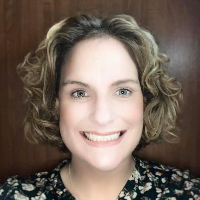
About Mallerie
Mallerie Berwick is a Licensed Clinical Social Worker (LCSW) with 14 years of experience. She helps people manage stress, anxiety, relationship concerns, self-esteem challenges, life changes, ADHD, and substance-related difficulties. She also supports issues connected to grief, career shifts, and compassion fatigue.
Before moving to Florida, she completed a Master of Social Work at New York University and a Bachelor of Science in Psychology at the University of Florida. Her background includes work in independent practice, substance abuse treatment settings, and schools. This range shaped a practical approach to everyday problems.
Her sessions are interactive and relationship-focused. She draws on cognitive behavioral techniques to address unhelpful thinking and behavior. Acceptance and Commitment Therapy strategies are used to help people clarify values and commit to small, achievable steps.
Attachment-based ideas guide work on communication and closeness in relationships. Emotionally-focused methods are used when stronger emotional awareness and repair are needed. She combines these with client-centered listening to make sessions feel straightforward and purposeful.
She has extensive experience with impulsivity, obsessive thoughts and compulsions, panic attacks, and co-occurring conditions. She also works with people facing body-image struggles, chronic illness or pain, codependency, and isolation. The goal is to make change feel doable, one step at a time.
Therapeutic approaches and online sessions
She commonly uses Cognitive Behavioral Therapy (CBT) to identify unhelpful thoughts and test new behaviors. CBT is practical and works well for anxiety, panic, and problems with follow-through. Acceptance and Commitment Therapy (ACT) is another frequent approach; it focuses on clarifying values and taking committed action even when difficult thoughts or feelings are present. Attachment-Based Therapy is used to explore patterns in relationships and improve communication and emotional connection.Finding the right approach is part of the work. The therapist will collaborate with the client to decide which methods match their goals and day-to-day life. That choice can change over time as needs and priorities evolve.
Confirm the session formats before booking because the biography does not list specific options. Online work can make it easier to fit sessions around work, caregiving, or medical needs. Practical benefits include shorter check-ins when time is limited, fewer travel arrangements, and the ability to schedule appointments between other commitments. The therapist will discuss scheduling and format details during the initial matching and session planning process to find what works best.
Areas of expertise
Primary focus
Also works with
Additional focus areas
Therapeutic approaches
Experience
14+ years
Credentials
California, Texas, Florida
Languages
English
Frequently asked questions
What concerns does she address?
She works with stress, anxiety, depression, ADHD, relationship struggles, substance issues, and related problems like impulsivity and panic attacks.
How would you describe her therapeutic style?
Her style is interactive and relationship-focused, using client-centered listening alongside structured techniques to tackle specific problems.
How long has she practiced?
She has 14 years of clinical experience across independent practice, schools, and substance abuse treatment settings.
What credentials and where is she based?
She is an LCSW licensed in Texas and Florida and is based in Florida.
Does she work in languages other than English?
Sessions are offered in English.
Can international clients work with her?
She is not currently accepting international clients.
What session formats are used?
Please confirm current session options before booking, as specific formats are not listed in the biography.
How are fees and payments handled?
Cost varies by location and sessions use a subscription model that can be canceled at any time.
Before you reach out
A profile shows the concerns a counselor lists; it is not a diagnosis, an ADHD assessment or a promise of results. Questions about evaluation or medication belong with a doctor or other prescriber. If you feel unsafe right now, call or text 988, or call 911.