- EMDR
- Mindfulness
- Solution-focused
About Lisa
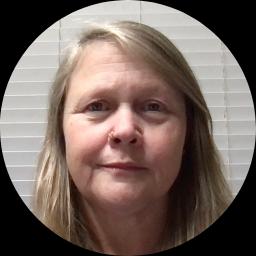
Lisa Eddy is a Florida LMHC with 13 years of clinical experience. She works with adults who are coping with stress, anxiety, depression, relationship struggles, trauma and ADHD-related difficulties.
She uses a practical, person-focused way of working. Sessions often involve talking through patterns, learning short skills to manage day-to-day problems, and practicing ways to notice and shift painful reactions. Lisa lists Client-Centered Therapy, Emotionally-Focused Therapy, EMDR, Mindfulness, and Solution-Focused Therapy among her approaches.
Her background includes support for people facing major life changes such as divorce, caregiving stress, and midlife transitions. She also works with those affected by trauma, sexual assault, process addictions, and traumatic brain injury. Lisa notes experience supporting people connected to adoption and foster care and those with autism spectrum differences.
In sessions she addresses practical concerns like follow-through, managing overwhelming feelings, and improving communication. She can help people develop routines, reduce reactivity, and work on relationship patterns that get in the way of daily functioning.
Lisa practices in Florida and holds an LMHC credential. She conducts work in English and is not taking international clients. Her service model uses a subscription that can be canceled at any time; costs vary by location and plan.
How her approaches translate to online work
Client-Centered Therapy focuses on the person's own priorities and aims to make sessions responsive to what matters most. It helps when someone needs straightforward support to sort feelings, build habits, and make clearer choices.Emotionally-Focused Therapy (EFT) looks at patterns in close relationships and at how emotional responses shape interactions. It is often used when the goal is to change how people communicate and respond to each other in tense moments.
EMDR is a trauma-focused method that can help people process distressing memories and reduce their intensity. In practice it involves guided attention and structured steps to work through painful experiences.
Finding the right approach is usually a collaborative process. The therapist will talk with a client about goals, try different methods when useful, and adjust the plan based on how a person responds. That gives room to combine short skills training, mindfulness practice, and trauma work as needed.
Session formats are not specified in the biography, so confirm current options before booking. Online work can make sessions easier to fit into a busy week, allow for shorter check-ins when needed, and reduce travel time. It can also let someone choose a quieter setting, avoid a commute, or keep therapy sessions alongside other daily responsibilities.
Areas of expertise
Primary focus
Also works with
Additional focus areas
Therapeutic approaches
Experience
13+ years
Credentials
Florida
Languages
English
Frequently asked questions
What kinds of problems does she help with?
She supports adults with stress, anxiety, depression, relationship issues, trauma, addictions, grief, ADHD, and related life changes.
How would you describe her therapy style?
Her style is practical and person-focused, using talk, short skills practice, and mindfulness to address daily challenges and emotional patterns.
How much experience does she have?
She has 13 years of clinical experience as a therapist working with a wide range of concerns.
What are her credentials and where is she based?
She is an LMHC licensed in Florida and provides services based in that state.
Which languages are sessions offered in?
Sessions are offered in English.
Does she work with international clients?
She does not accept international clients at this time.
How are costs handled?
Costs vary with location and are billed through a subscription model that can be canceled at any time.
What are the steps to begin working together?
Use the See online therapy options button, complete a short matching questionnaire, and schedule a first session.
Before you reach out
A profile shows the concerns a counselor lists; it is not a diagnosis, an ADHD assessment or a promise of results. Questions about evaluation or medication belong with a doctor or other prescriber. If you feel unsafe right now, call or text 988, or call 911.