- CBT techniques
- Mindfulness practice
- DBT skills
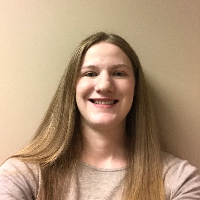
About Lindsay
Lindsay DeMarlie is a Licensed Clinical Social Worker (LCSW) in Illinois and a Licensed Independent Social Worker (LISW) in Iowa with 10 years of experience. She helps people manage stress, anxiety, depression, ADHD, trauma and abuse, and relationship concerns. Lindsay also addresses issues related to addiction, self-esteem, parenting stress, and compassion fatigue.
She takes a straightforward, client-centered approach. Sessions focus on setting clear goals and practicing skills that improve day-to-day functioning. Lindsay draws on cognitive behavioral techniques and mindfulness exercises to change unhelpful thinking and build new habits.
Her background includes extensive work with trauma from childhood abuse and adult sexual assault or domestic violence. That work informs how she approaches safety, pacing, and emotional regulation in sessions. She also uses elements of dialectical behavior therapy to teach distress tolerance and emotion management.
Lindsay frames therapy as a collaborative process. She listens to the problem, helps people break it into manageable steps, and teaches skills to reduce symptoms and improve follow-through. Practical strategies might include behavioral plans, thought tracking, grounding skills, and communication practice.
People who seek Lindsay's help can expect clear goal-setting and structured skill practice alongside open conversation. She works with a wide range of concerns connected to mood, attention, and relationship stress. For next steps, prospective clients complete a short questionnaire and schedule a first session through the site.
Therapeutic approaches used in online sessions
Lindsay commonly uses Acceptance and Commitment Therapy (ACT) and Cognitive Behavioral Therapy (CBT) in her work. ACT helps people notice unhelpful thoughts and choose actions that fit their values, which can be useful for motivation and follow-through. CBT focuses on spotting and changing thought patterns and behaviors that get in the way of daily tasks and mood management.She also draws from Client-Centered Therapy, which emphasizes listening and working at the person's pace. Finding the right approach is part of the therapeutic process. Lindsay collaborates with each person to decide which methods match their needs, goals, and preferences and adjusts over time as progress is made.
Practical online benefits include fitting sessions into a busy schedule and reducing travel time so appointments are easier to keep. If you are considering online sessions, confirm the current session options before booking so you know what formats are offered. The focus in early meetings is on clear goal-setting and learning manageable skills that can be practiced between sessions.
Areas of expertise
Also works with
Additional focus areas
Therapeutic approaches
Experience
10+ years
Credentials
Illinois, Iowa
Languages
English
Frequently asked questions
What kinds of problems does she help with?
She works with stress, anxiety, depression, ADHD, trauma and abuse, relationship struggles, addictions, and related concerns.
How would she describe her therapy style?
Her style is client-centered and goal focused, using practical skills and conversations to address current problems.
How much clinical experience does she have?
She has 10 years of experience working in clinical settings and community mental health.
What are her credentials and where is she based?
She is an LCSW in Illinois and an LISW in Iowa, and she practices from Iowa.
Can I work with her if I live outside the US?
Sessions are offered in English and she accepts international clients, though regional rules may apply.
What types of sessions are available?
Session formats are not specified here; please confirm the current session options before booking.
How does pricing work?
Cost varies with location and sessions use a subscription model that can be canceled at any time.
How do I begin working with her?
Select the See online therapy options button, complete a short matching questionnaire, and schedule a first session.
Before you reach out
A profile shows the concerns a counselor lists; it is not a diagnosis, an ADHD assessment or a promise of results. Questions about evaluation or medication belong with a doctor or other prescriber. If you feel unsafe right now, call or text 988, or call 911.