- CBT informed
- DBT elements
- Brief therapy
About Linda
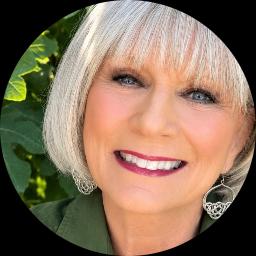
Linda Jacobs is a Licensed Clinical Social Worker (LCSW) in Texas with 20 years of professional experience. She works with adults facing stress, anxiety, trauma and abuse, grief, self-esteem and depression, as well as addictions, relationship and intimacy-related issues, eating and sleeping concerns, career struggles, and ADHD.
She has worked in independent practice, a nonprofit community clinic, and a fertility clinic. That mix of settings shapes a practical style focused on everyday problems and how they affect daily life. She helps people notice patterns that get in the way of their goals and talks through concrete steps to change them.
Her usual toolbox includes approaches such as cognitive behavioral techniques, dialectical behavior ideas, client-centered conversation, brief therapy, and Flash Therapy. She adapts these methods to what the person prefers and what seems to help with the current problem.
Linda describes therapy as a collaborative process. She listens for unhelpful behaviors and for ways to strengthen motivation and confidence. Sessions aim to be straightforward and results-oriented, with an emphasis on workable changes that fit a person's life.
She also works with issues tied to attachment, abandonment, codependency, communication and control problems, dissociation, emptiness, and some developmental and personality concerns. Her practice includes support around fertility matters, hospice and end-of-life counseling, and other sensitive life events.
Therapeutic approaches and how online sessions can work
Linda typically draws on cognitive behavioral approaches to help people identify unhelpful thinking and try new behaviors. CBT-style work breaks problems into concrete steps and is often used for anxiety, depression, focus and organization challenges.She also uses elements of dialectical behavior therapy to teach practical skills for managing emotions, improving distress tolerance, and strengthening interpersonal effectiveness. Client-centered conversation is part of her approach, which means sessions include attentive listening and collaborative planning.
Choosing the right method is part of the work. She will discuss what feels most useful and adjust methods based on the person’s goals, needs, and preferences so therapy stays practical and relevant.
The biography does not list which session formats she offers, so confirm current options before booking. Online sessions can make it easier to fit therapy into a busy schedule, allow shorter check-ins when needed, and help reduce travel time. Some people find remote sessions helpful for maintaining regular appointments between other commitments.
Areas of expertise
Also works with
Additional focus areas
Experience
20+ years
Credentials
Texas
Languages
English
Frequently asked questions
What concerns does she address?
She works with stress, anxiety, trauma and abuse, grief, self-esteem, depression, addictions, relationship and intimacy issues, eating and sleeping problems, career matters, and ADHD.
What style of therapy does she use?
She uses evidence-based techniques such as cognitive behavioral ideas, dialectical behavior elements, client-centered conversation, brief therapy, and Flash Therapy as appropriate.
How much experience does she have?
She has 20 years of professional work experience across independent practice, a nonprofit community clinic, and a fertility clinic.
What are her credentials and where is she located?
She is an LCSW licensed in Texas and practices from that state.
In which language are sessions offered?
Sessions are offered in English and she accepts international clients.
What session formats are available?
The original biography does not list specific session formats. Confirm current session options before booking.
How are fees handled?
Cost varies with location and sessions use a subscription that can be canceled at any time.
How do I begin working with her?
Start by selecting the See online therapy options button, complete a short matching questionnaire, and schedule a first session.
Before you reach out
A profile shows the concerns a counselor lists; it is not a diagnosis, an ADHD assessment or a promise of results. Questions about evaluation or medication belong with a doctor or other prescriber. If you feel unsafe right now, call or text 988, or call 911.