- CBT
- Attachment work
- DBT skills
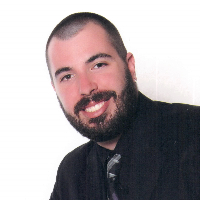
About Lee
Lee Schlanger is a Florida LMHC with five years of clinical experience. He works with adults dealing with stress, anxiety, depression, grief, trauma, addictions, relationship and family concerns, parenting strains, anger, self-esteem struggles, bipolar disorder, and ADHD. Sessions begin by identifying the most pressing problems and clarifying immediate goals.
Lee uses practical, relationship-focused methods to help people manage symptoms and improve day-to-day functioning. He draws on Attachment-Based Therapy to look at how early bonds affect current relationships. He also uses Cognitive Behavioral Therapy (CBT) to identify unhelpful thoughts and habits and Dialectical Behavior Therapy (DBT) skills for emotion regulation and distress tolerance.
His approach centers on open communication and collaboration. Lee listens, reflects what he hears, and offers tools you can try between meetings. He focuses on emotional processing and building skills that make routines, focus, and follow-through easier to maintain.
Lee has experience supporting people through substance recovery, anger management, grief after loss, and trauma-related symptoms. He also brings clinical attention to family-of-origin patterns, attachment wounds, and intimacy-related issues that can affect relationships and parenting.
Clients should expect straightforward, conversational sessions that balance problem-solving with emotional work. Lee accepts international clients and offers telehealth work, and the scheduling process begins with a short matching questionnaire and a first session booking.
How his approaches translate to online sessions
Lee uses Attachment-Based Therapy to examine how early relationship patterns shape current interactions; this can help with intimacy problems, communication issues, and family-related stress. Client-Centered Therapy provides a space where the client’s goals guide the work and the therapist offers reflection and support to clarify priorities. Cognitive Behavioral Therapy (CBT) focuses on identifying thoughts and behaviors that get in the way of focus, routine, and mood, and on practicing small, concrete changes to improve daily functioning.Lee treats choosing an approach as a collaborative process. He will review your needs and goals and help figure out which methods to emphasize. That might mean combining skills-based work for attention and routines with relational work about attachment or communication.
The profile indicates telehealth practice, though specific session formats should be confirmed before booking. Online sessions can make it easier to fit meetings into workdays, reduce travel time, and allow shorter check-ins when needed. They also let clients practice skills in everyday settings and bring real-life situations into conversation with the therapist.
Areas of expertise
Also works with
Additional focus areas
Therapeutic approaches
Experience
5+ years
Credentials
Florida
Languages
English
Frequently asked questions
What concerns does he address?
He supports adults with stress, anxiety, depression, grief, trauma, addictions, relationship and parenting difficulties, bipolar symptoms, and ADHD-related struggles.
What is his therapeutic style?
He works in a collaborative, conversational way that balances emotional processing with practical tools for daily life.
How much experience does he have?
He has five years of experience as a mental health counselor working with a range of concerns including substance recovery and grief.
What credentials and location does he hold?
He is a Florida LMHC practicing from Florida.
Which languages are supported?
Sessions are offered in English and he is available to work with international clients.
How are sessions delivered?
The profile notes telehealth practice; confirm current session options before booking to match your preferred format.
How does payment work?
Cost varies with location and sessions use a subscription model that can be canceled at any time.
How do I begin?
Select the See online therapy options button, complete the short matching questionnaire, and schedule a first session.
Before you reach out
A profile shows the concerns a counselor lists; it is not a diagnosis, an ADHD assessment or a promise of results. Questions about evaluation or medication belong with a doctor or other prescriber. If you feel unsafe right now, call or text 988, or call 911.