- Client-Centered Therapy
- Cognitive Behavioral Therapy
- Motivational Interviewing
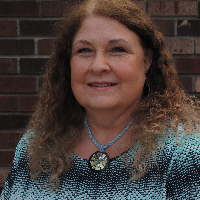
About Kathryn
Kathryn Bishop is a Licensed Professional Counselor (LPC) in Oklahoma with 28 years of experience. She works with adults facing stress, anxiety, depression, trauma and abuse, ADHD, relationship concerns, grief, parenting challenges, and related issues. Kathryn sees each person as an individual and focuses on practical steps that help with daily functioning.
She has spent decades helping people after traumatic events, including repeated abuse and other difficult experiences. She also supports people navigating life changes such as job shifts and relationship endings. Sessions cover emotional regulation, coping skills, and managing symptoms that get in the way of everyday tasks.
Kathryn draws from client-centered therapy to keep the conversation focused on the client's perspective. She uses cognitive behavioral therapy (CBT) to identify thinking patterns that affect behavior and mood. Motivational interviewing is part of her work when people want to make concrete changes but feel stuck.
Her style adapts to the person in front of her. For some clients that means structured skill work and homework. For others it means longer talks to sort out values and meaning. She aims to be non-judgmental and respectful while helping clients set realistic, practical goals.
People who want help with focus, organization, follow-through, or managing mood and stress may find practical strategies in her sessions. To begin, clients use the site's matching process and schedule a first meeting to discuss goals and next steps.
How Kathryn uses online sessions and approaches
Kathryn often integrates client-centered therapy to focus on the client's priorities and perspective. This approach centers discussion on what matters most to the person and supports exploration of feelings and values in straightforward terms. It can help when someone needs to sort through decisions or understand emotional reactions.She also uses cognitive behavioral therapy (CBT) to identify and change thought patterns that affect mood and behavior. CBT involves practical exercises and skill practice to improve daily routines, manage anxiety, and address problems like sleeping or concentration. Motivational interviewing is used when clients want to make changes but feel unsure; it helps clarify motivation and set achievable steps.
Choosing the right approach is part of the work. Kathryn will collaborate with each client to decide which methods fit their goals, needs, and preferences. That may mean trying a skill-focused plan first, then adding broader discussion or values work as progress is made.
If you plan to use online sessions, confirm the available session formats before booking. Online work can make it easier to fit therapy into a busy schedule, reduce travel time, allow shorter check-ins between appointments, and support steady practice of new skills in daily life.
Areas of expertise
Primary focus
Also works with
Additional focus areas
Therapeutic approaches
Experience
28+ years
Credentials
Oklahoma
Languages
English
Frequently asked questions
What concerns does she address?
She works with stress, anxiety, depression, trauma and abuse, ADHD, relationship and parenting issues, grief, addictions, bipolar concerns, and related problems.
What is her therapeutic style?
She uses an eclectic approach including client-centered therapy, cognitive behavioral therapy (CBT), and motivational interviewing to tailor sessions to each person.
How much experience does she have?
She has 28 years of clinical experience working with a wide range of concerns and life transitions.
What credential and location does she hold?
She is an LPC - Licensed Professional Counselor in Oklahoma.
Which languages are supported?
Sessions are offered in English.
Can international clients work with her?
International clients are not currently accepted.
How are sessions paid for?
Cost varies with location and sessions use a subscription that can be canceled at any time.
How do I get started?
Select the See online therapy options button, complete the short matching questionnaire, and schedule a first session.
Before you reach out
A profile shows the concerns a counselor lists; it is not a diagnosis, an ADHD assessment or a promise of results. Questions about evaluation or medication belong with a doctor or other prescriber. If you feel unsafe right now, call or text 988, or call 911.