- CBT techniques
- Solution-focused steps
- Motivational interviewing
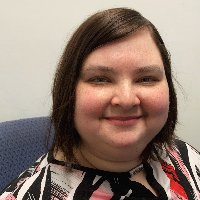
About Karen
Karen Schwartz Triana is a Licensed Clinical Professional Counselor (LCPC) and a Licensed Mental Health Counselor (LMHC) practicing in Florida with 14 years of experience. She works with adults on stress, anxiety, depression, trauma and abuse, relationship and family concerns, addictions, grief, parenting strain, and ADHD among other challenges.
She trained at the University of South Florida and started as a career counselor before moving into mental health counseling. That mix means she often blends practical life planning with therapeutic work. Sessions focus on clear goals and steps rather than vague promises.
Her approach draws on Client-Centered Therapy, Cognitive Behavioral Therapy (CBT), Solution-Focused Therapy, Motivational Interviewing, and Narrative Therapy. In practice that looks like identifying unhelpful thoughts, testing new behaviors, and finding small solutions that fit daily life. She also uses techniques adapted from trauma-focused work when past events are part of the problem.
Sessions are collaborative. Clients set progress goals and review them regularly. The end of each visit includes a short reflection so people can notice what changed and what to try next.
Her background includes work with career issues, coping with disabilities, and family conflict. This gives a practical, action-oriented frame for emotional work. Parents and adults looking for concrete strategies for organization, follow-through, and stress reduction may find this approach helpful.
How her therapeutic approaches translate to online work
Client-Centered Therapy emphasizes listening and reflecting back what matters to the client. Online sessions using this approach focus on the person's priorities and on building a working plan one step at a time. Cognitive Behavioral Therapy (CBT) targets the thoughts and behaviors that interfere with daily routines. In an online setting CBT often uses short practice tasks between sessions and concrete tools to address organization, attention, and follow-through. Motivational Interviewing helps people find their own reasons to change and can be used to support goals like quitting substances or improving routines.Deciding which approach to use is collaborative. The therapist will review goals, preferences, and what has or hasn't worked before. Together they choose techniques and adjust them over time so sessions fit the client's needs and pace.
Session formats are not specified in the biography, so confirm current session options before booking. Online sessions can make it easier to fit therapy into a busy week, allow for shorter check-ins if needed, and enable practice tasks to be reviewed from daily life. Many people find it helpful to work on concrete skills and goal steps between meetings, and these practical benefits carry over whether sessions are scheduled around work, parenting, or other commitments.
Areas of expertise
Primary focus
Also works with
Additional focus areas
Therapeutic approaches
Experience
14+ years
Credentials
Florida, New York, Maryland
Languages
English
Frequently asked questions
What kinds of concerns does she address?
She works with stress, anxiety, depression, trauma, relationship and family issues, ADHD, grief, addictions, parenting strain, and related concerns.
What is her general therapeutic style?
Her style is practical and collaborative, focusing on goal setting, tracking progress, and regular reflection at the end of sessions.
How much experience does she have?
She has 14 years of experience and began her career as a career counselor before moving into mental health work.
Which credentials and where is she licensed?
She holds LCPC and LMHC credentials and practices from Florida.
In which language are sessions offered?
Sessions are offered in English.
Does she accept international clients?
International clients are not currently accepted.
How are sessions paid for and what do they cost?
Cost varies with location; sessions use a subscription model that can be canceled at any time.
How do I get started with her?
Select the See online therapy options button, complete a short matching questionnaire, and schedule a first session.
Before you reach out
A profile shows the concerns a counselor lists; it is not a diagnosis, an ADHD assessment or a promise of results. Questions about evaluation or medication belong with a doctor or other prescriber. If you feel unsafe right now, call or text 988, or call 911.