- CBT methods
- Trauma focused tools
- Problem solving therapy
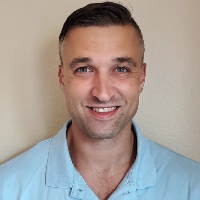
About John
John Doleski is a Licensed Certified Social Worker in Maryland with 11 years of experience. He works with adults around stress, anxiety, addictions, trauma and abuse, parenting concerns, depression, grief, relationship and intimacy issues, and ADHD among other concerns.
He spent much of his recent career supporting active duty service members from all branches and their families, focusing on family advocacy, substance use, and psychotherapy. That work involved addressing occupational stress, divorce, domestic violence, and child welfare matters.
In session he uses clear, evidence-based methods such as Cognitive Behavioral Therapy and Cognitive Processing Therapy to help people notice patterns, solve problems, and change unhelpful thoughts. He also uses Eye Movement Desensitization Reprocessing for trauma, Interpersonal Therapy for relationship and grief issues, and Problem Solving Therapy for practical life challenges.
Sessions are straightforward and direct. He aims to give honest feedback and practical tools rather than long theoretical discussion. People can expect focused work on specific goals like organizing daily routines, managing worry, reducing substance use, or improving communication.
He speaks English and practices in Maryland. To begin, visitors typically complete a short matching questionnaire and schedule a first session to discuss goals and next steps.
Approaches used in online sessions and what they do
John uses several evidence-based techniques in brief, practical ways. Cognitive Behavioral Therapy helps people spot unhelpful thoughts and change behaviors; it is useful for worry, low mood, and organizing routines. Cognitive Processing Therapy focuses on processing traumatic memories and reducing trauma-related avoidance and distress. Eye Movement Desensitization Reprocessing is used for trauma symptoms and works by pairing memory recall with a specific bilateral stimulation process.Choosing the right approach is part of the work together. The therapist will talk with each person about goals and preferences, then suggest methods to try. That collaborative process makes it easier to adjust strategies if something does not fit.
Confirm the current session options before booking so you know which formats are offered. Many people find online sessions help fit therapy into a busy day, allow shorter check-ins during a work break, or reduce travel time. If video or phone fits better for practical reasons, discuss that when scheduling so sessions align with daily life and goals.
Areas of expertise
Primary focus
Also works with
Experience
11+ years
Credentials
Maryland
Languages
English
Frequently asked questions
What concerns does he help with?
He supports adults with stress, anxiety, addictions, trauma and abuse, parenting, depression, grief, relationship and intimacy issues, ADHD, and related concerns.
What is his therapeutic style?
He uses direct, practical sessions that focus on skill building and problem solving rather than long theoretical discussion.
How much experience does he have?
He has worked in the field for 11 years, including nine years supporting active duty service members and their families.
What are his credentials and location?
He is an LCSW-C in Maryland and practices in that state.
Which language does he use in sessions?
Sessions are offered in English.
Can international clients work with him?
He does not accept international clients at this time.
How are sessions billed?
Cost varies with location and sessions use a subscription that can be canceled at any time.
How do I get started?
Click the See online therapy options button, complete the short matching questionnaire, and schedule a first session.
Before you reach out
A profile shows the concerns a counselor lists; it is not a diagnosis, an ADHD assessment or a promise of results. Questions about evaluation or medication belong with a doctor or other prescriber. If you feel unsafe right now, call or text 988, or call 911.