- Stress and anxiety
- LGBT identity support
- Depression and grief
About Hope
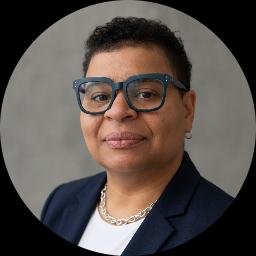
Hope Striving is an Ohio LPCC with 16 years of experience helping people manage stress, anxiety, grief, depression, and ADHD. They also support LGBTQ people through identity questions and issues related to gender dysphoria. Hope works with adults facing life transitions and chronic health challenges.
They uses evidence-based therapeutic techniques and a person-centered, trauma-informed stance. Sessions focus on practical skills for reducing anxiety, managing mood, and improving daily functioning. Hope pays attention to identity and cultural context while addressing problems like isolation, codependency, or communication breakdowns.
Hope helps people sort through relationship changes such as divorce and separation, and the strain that comes from caregiving or chronic illness. Work on impulse control, obsessions or compulsions, and midlife reassessment is offered in clear, step-by-step terms. The therapist also assists with life-purpose questions and coping during aging or geriatric transitions.
Expect straightforward planning around goals. Hope breaks larger problems into concrete steps, teaches coping strategies, and practices communication skills. Sessions often include checking progress and adjusting plans to match real-life routines and responsibilities.
Hope works in English and does not take international clients. People who are considering starting can use the site's matching tool to schedule a first session and learn about subscription pricing that can be canceled at any time.
How evidence-based methods translate to remote sessions
Hope uses evidence-based therapeutic techniques in plain, practical ways. Cognitive-behavioral approaches focus on identifying unhelpful thinking and changing behaviors to reduce anxiety and improve follow-through. These methods teach stepwise tools like breaking tasks into small parts, planning routines, and testing new habits. Trauma-informed, person-centered work pays attention to identity and lived experience. That means sessions include pacing, grounding strategies, and choices about what to practice between meetings. For issues like grief or gender dysphoria, the emphasis is on clear goals and gradual progress rather than quick fixes. Finding the right approach is a collaborative process. The therapist will review your concerns, goals, and daily schedule and then suggest options to try. Clients and therapist adjust methods together as needed, focusing on what helps in real life. Session formats are not listed in the original biography, so confirm the available online options before booking. Many people find remote sessions help fit therapy into busy days by reducing travel time, allowing shorter check-ins when needed, or letting them meet from quieter surroundings. Discuss format preferences during the first scheduling steps to align session length and timing with everyday commitments.Areas of expertise
Primary focus
Additional focus areas
Experience
16+ years
Credentials
Ohio
Languages
English
Frequently asked questions
What concerns does Hope commonly address?
She works with stress, anxiety, grief, depression, and ADHD along with related issues such as isolation, impulsivity, and communication problems.
What is Hope's therapeutic style?
The approach is person-centered and trauma-informed, using evidence-based techniques to teach practical skills and plan achievable steps.
How much clinical experience does she have?
Hope has 16 years of experience working with adults across a range of concerns and life stages.
What credentials and location are listed?
Hope holds the LPCC credential and practices in Ohio.
Which languages are supported and are international sessions available?
Sessions are offered in English and international clients are not currently accepted.
What session formats are offered?
Session formats are not specified in the biography; confirm current session options before booking.
How does payment and cost work?
Cost varies with location and sessions are provided through a subscription that can be canceled at any time.
How do I begin working with Hope?
Select the See online therapy options button, complete the short matching questionnaire, and schedule a first session.
Before you reach out
A profile shows the concerns a counselor lists; it is not a diagnosis, an ADHD assessment or a promise of results. Questions about evaluation or medication belong with a doctor or other prescriber. If you feel unsafe right now, call or text 988, or call 911.