- Client-centered approach
- Psychodynamic insight
- Solution-focused plans
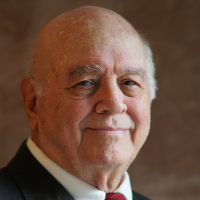
About Herschel
Dr. Herschel Pollard is an Arkansas psychologist (AR Psychologist 08-07P) with 58 years of clinical experience. He works with adults who bring concerns such as stress, anxiety, depression, relationship problems, addiction, grief, anger, low self-esteem, and ADHD. He also helps people facing life changes, parenting strain, trauma and abuse, and issues linked to aging or medical crises.
Dr. Pollard uses a straightforward, person-focused way of working. He treats each client as an individual and adjusts the approach as needs shift. Sessions focus on clear goals, practical strategies, and conversations that make difficult topics easier to manage.
His practice draws on client-centered methods that prioritize the person's own perspective. He also uses psychodynamic ideas to look at patterns that repeat across relationships and life stages. Solution-focused techniques are part of his toolbox when people want concrete steps and short-term plans.
With decades of experience, he has seen a wide range of issues and life stages. That background informs how he helps people set realistic steps and notice progress. He explains options plainly and works with the client to choose the next steps.
People who contact him begin by describing their immediate concerns and what they hope to change. The early sessions are practical and goal-oriented, aimed at finding approaches that fit the client's daily life. Over time the work can shift as priorities and circumstances change.
Therapeutic approaches and how online sessions can help
Client-centered therapy focuses on the client's experience and perspective. The therapist listens without directing and helps the person clarify what matters most, which can be useful for stress, relationship concerns, and self-esteem issues.Psychodynamic therapy looks at patterns in relationships and behavior that repeat over time. This approach can help people recognize why they react a certain way and make different choices in daily life.
Solution-focused therapy emphasizes short-term goals and practical steps. It is often used when someone wants clear strategies to improve organization, follow-through, or coping with specific problems.
Finding the right approach is a collaborative process. The therapist will discuss goals, try methods that fit those goals, and adjust the plan as needs and priorities change. Clients are invited to give feedback so the work stays relevant to everyday life.
Confirm the current session options before booking because formats are not specified here. Online sessions can make it easier to fit appointments into a busy schedule, reduce travel time, or allow shorter check-ins when days are tight. They work well for discussing practical strategies, setting step-by-step plans, and keeping momentum between sessions.
Areas of expertise
Primary focus
Also works with
Additional focus areas
Therapeutic approaches
Experience
58+ years
Credentials
Arkansas
Languages
English
Frequently asked questions
What kinds of problems does he address?
He works with stress, anxiety, depression, relationship issues, addictions, grief, anger, low self-esteem, ADHD, and related concerns listed in his specialties.
What is his therapeutic style?
He uses a person-focused style that adapts to changing needs, combining client-centered listening with psychodynamic and solution-focused methods.
How much experience does he have?
He has 58 years of clinical experience working with a broad variety of clients and concerns.
What are his credentials and where does he practice?
He is listed as AR Psychologist 08-07P and practices in Arkansas.
Which languages are supported?
Sessions are offered in English.
Can international clients work with him?
He does not accept international clients at this time.
How are sessions paid for?
Cost varies with location. Sessions use a subscription that can be canceled at any time.
How do I begin a first session?
Select the See online therapy options button, complete a short matching questionnaire, and schedule a first session.
Before you reach out
A profile shows the concerns a counselor lists; it is not a diagnosis, an ADHD assessment or a promise of results. Questions about evaluation or medication belong with a doctor or other prescriber. If you feel unsafe right now, call or text 988, or call 911.